

The best extra virgin olive oil 2026 has to offer is not one fixed brand. It is a set of quality signals any bottle either has or lacks: a recent harvest, low acidity, a single origin and dark packaging. This guide shows you how to check each one yourself, rather than trust a label or a ranking.
- 0.2 to 0.4% acidity of Yakelos oil, well below the 0.8% extra virgin ceiling
- Below 27°C processing temperature, cold processed within hours of harvest
- 12 to 18 months window to use olive oil from harvest for best freshness
What makes an extra virgin olive oil the best
So what actually separates a good extra virgin from an excellent one? Extra virgin means the oil is extracted mechanically, without heat or chemicals, and its acidity stays below 0.8 percent by law.
Acidity is a measure of free fatty acids released when olives are stressed or pressed late. If the grading system is new to you, what extra virgin means is worth reading before you compare bottles.
The best oils sit far below that legal ceiling. They come from olives harvested early and pressed within hours, before the fruit starts to ferment or oxidise. A single origin and a single variety help too, because they protect the flavour and the polyphenols, natural antioxidants in the oil.
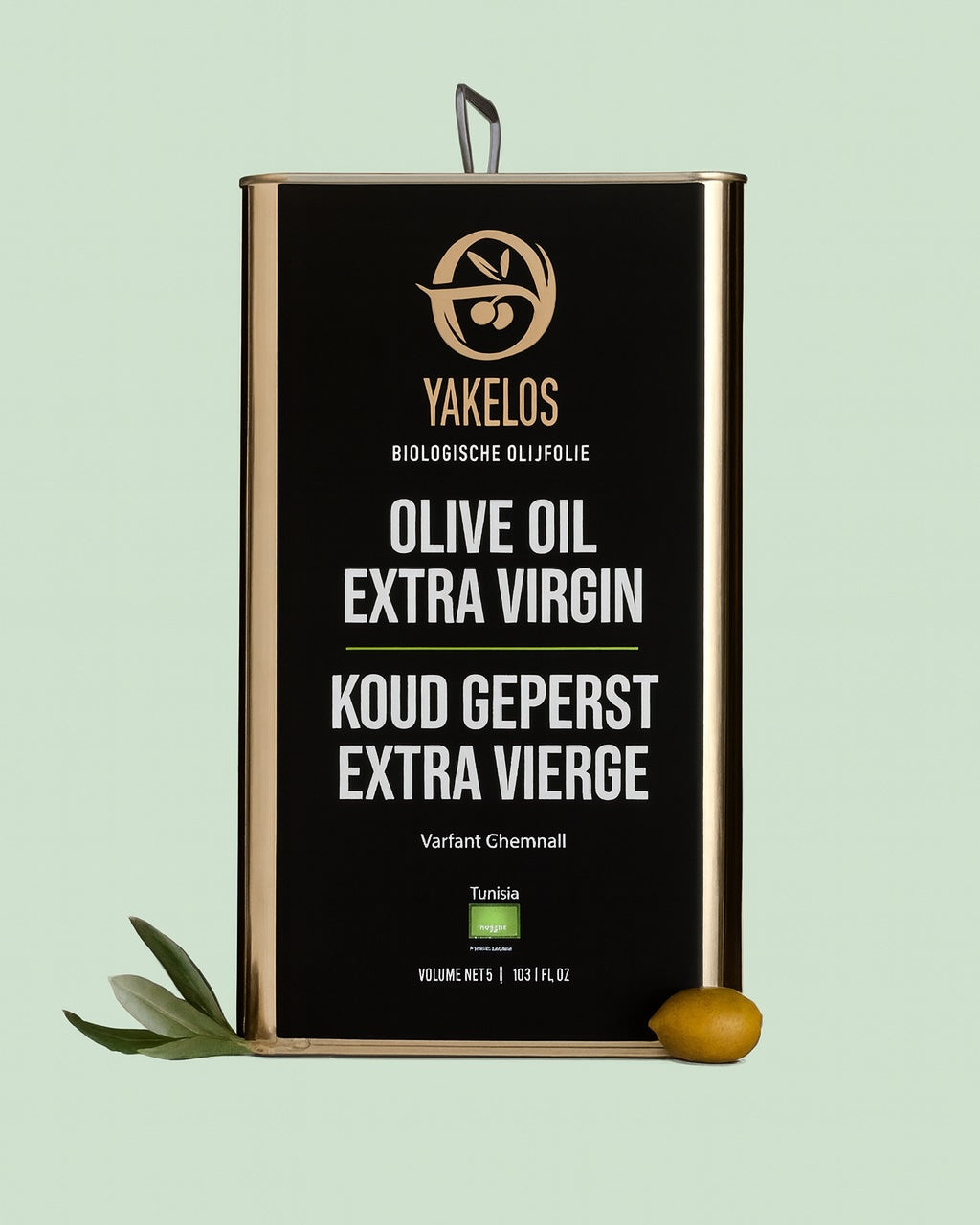
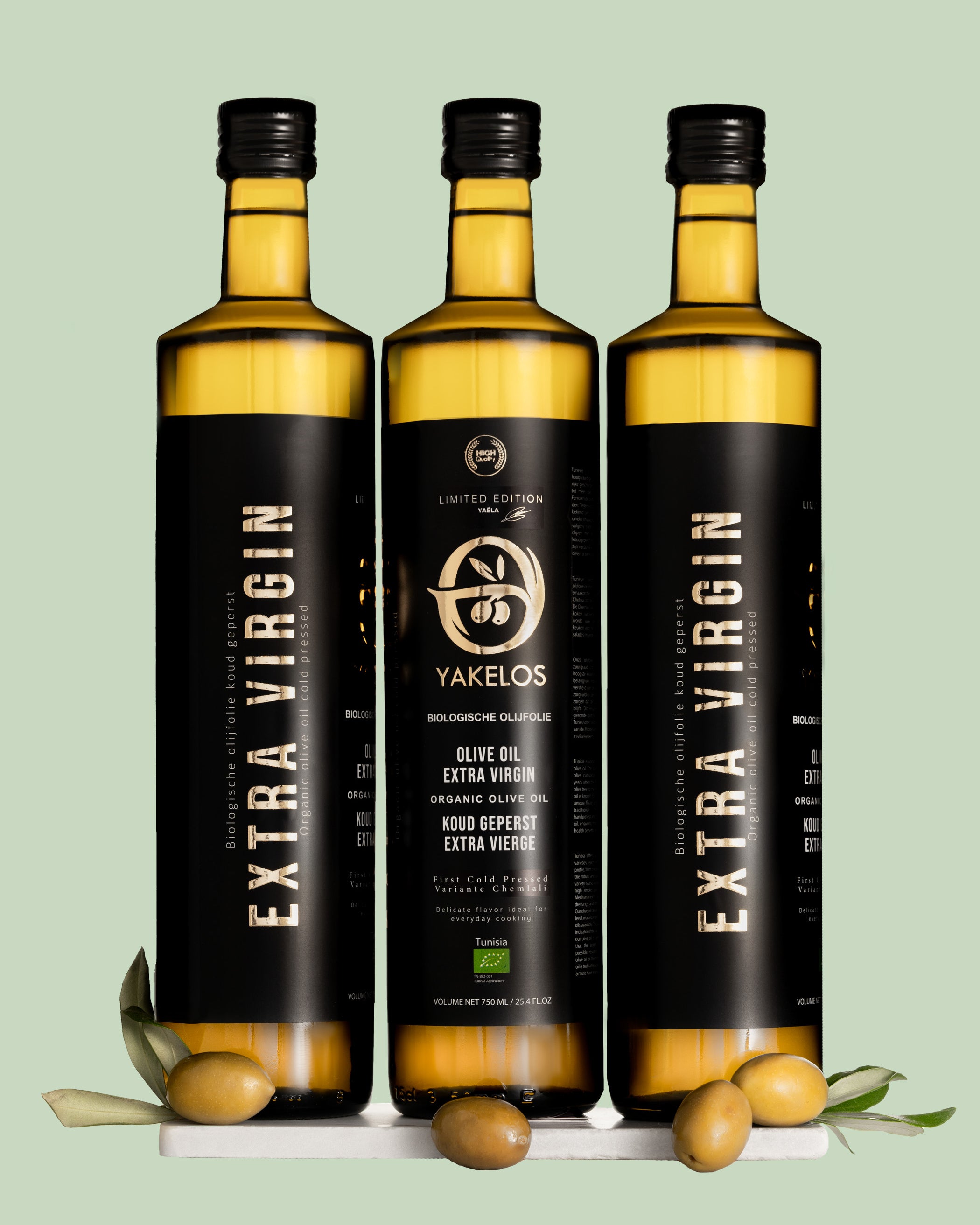
Here is what that looks like in practice, using Yakelos as one example.
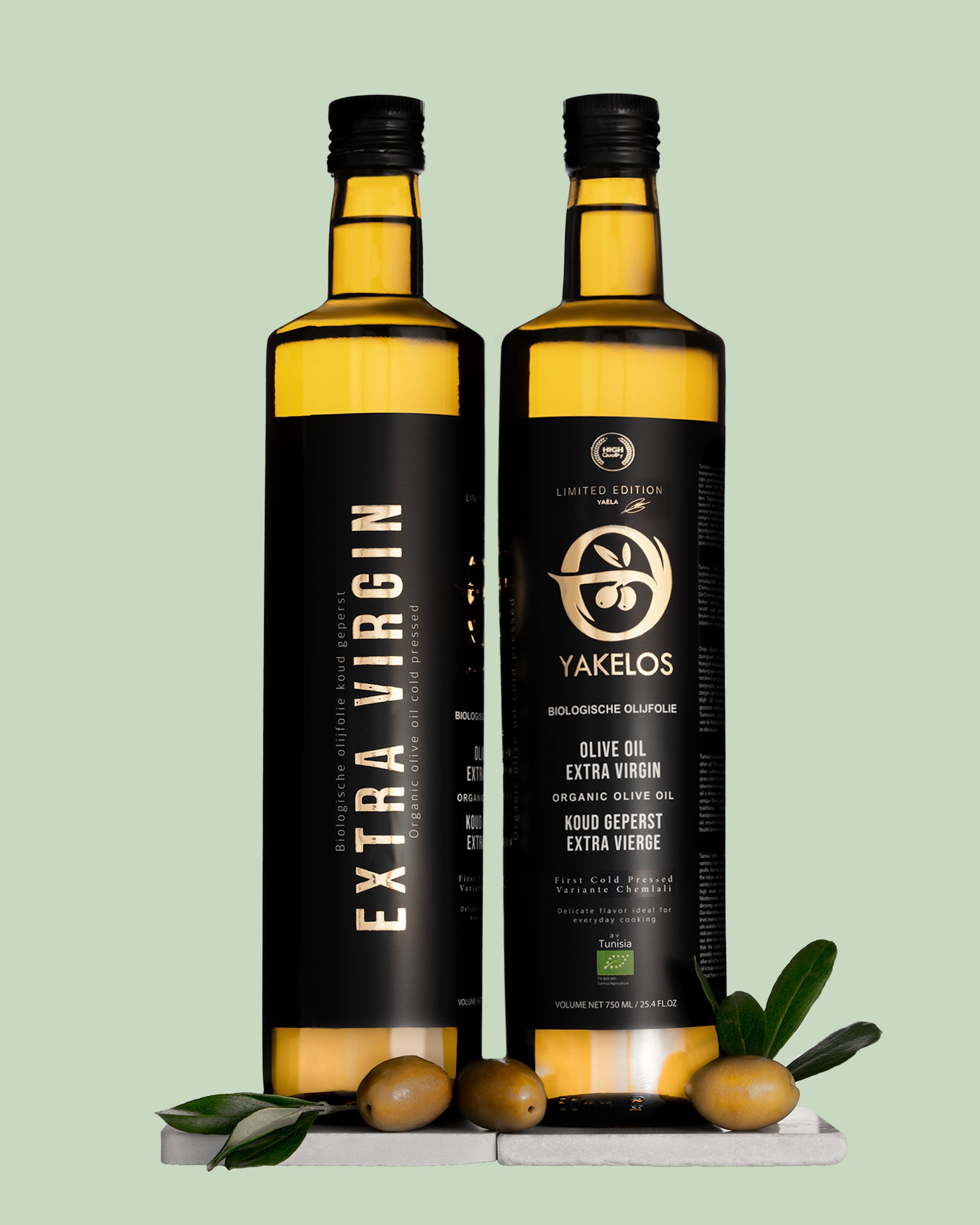
Yakelos organic extra virgin olive oil specifications
- Olive variety: Chemlali, a single variety
- Origin: central Tunisia
- Acidity: roughly 0.2 to 0.4%
- Processing: cold, below 27 degrees, within hours of harvest
- Certification: SKAL and EU Organic
- Shelf life: up to 2 years from bottling
How to recognise top quality on the bottle
Stand in front of a shelf holding ten bottles that all say extra virgin, and the label alone rarely settles which is genuinely good. Look closer and real differences show up fast, once you know where to check.
- Harvest year on the label, not just a best before date
- A single named origin, rather than an anonymous EU blend
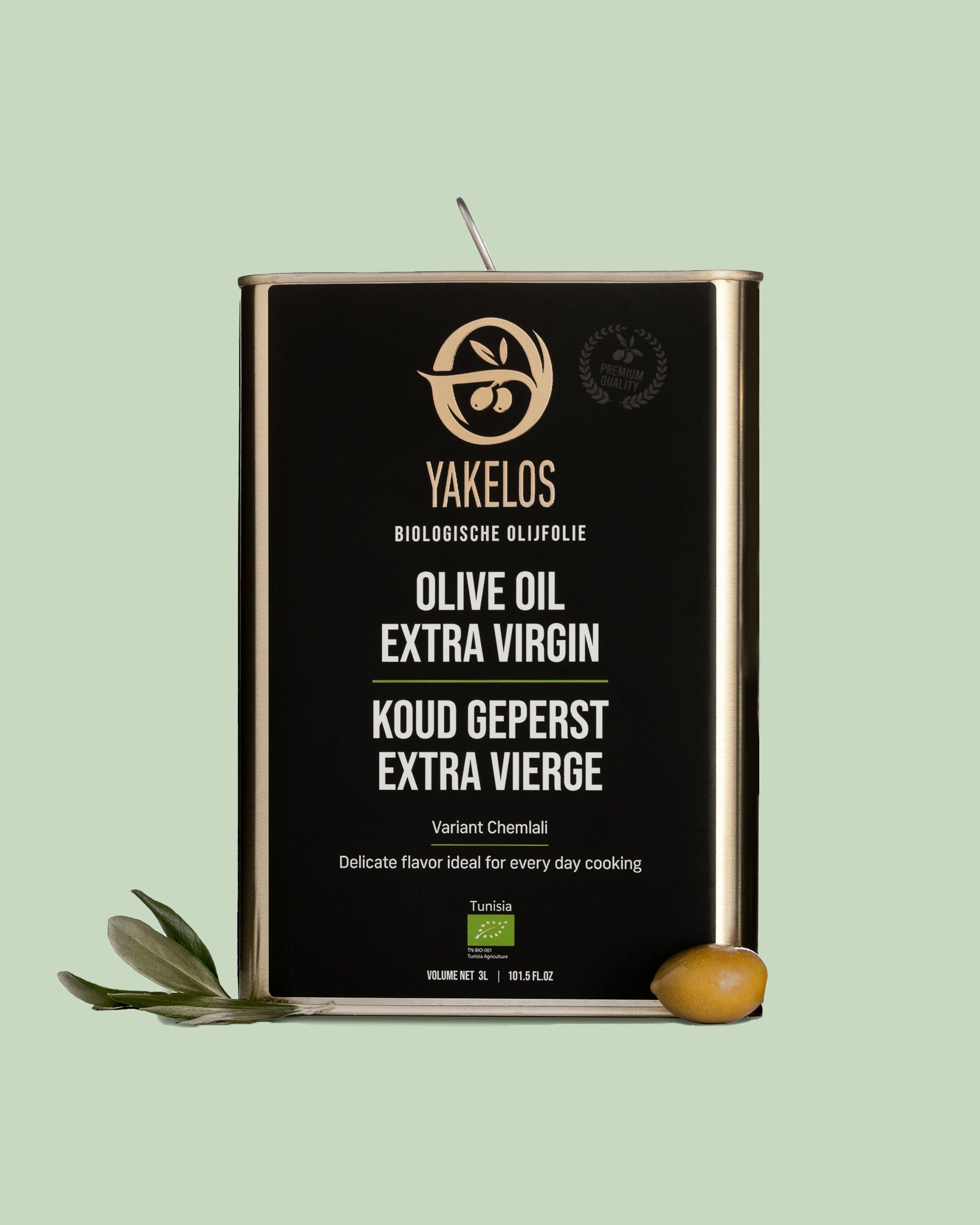
- Dark glass or a tin, because light breaks down flavour and antioxidants
- Certification such as EU organic or SKAL
- A fresh, fruity aroma with mild bitterness and a peppery finish
Bottles that skip these details are not automatically fake. They just leave you guessing, which is exactly where recognising olive oil fraud becomes useful reading.
Why acidity alone does not tell you enough
Acidity is a useful first check, and the best oils sit below 0.5 percent, under the 0.8 percent legal ceiling. But acidity is measured in a lab and says nothing about aroma or flavour. An oil can pass that test yet smell musty or flat, a flaw called a defect.
Polyphenols and the absence of defects matter just as much as the number on the certificate. Freshness plays a large part here, since an oil pressed carefully from olives picked early keeps more of both.
You can learn how to taste olive oil at home, rather than relying on the label alone.
Tip from Yakelos: pour a little oil into a glass and warm it gently in your hand. Smell for fresh grass and almond, then taste for a mild, peppery finish. A musty or greasy smell is a sign the oil is past its best.
Choosing the best oil for how you use it
Say you are dressing a salad tonight and frying vegetables tomorrow. The same bottle can do both, but the two jobs ask different things of it.
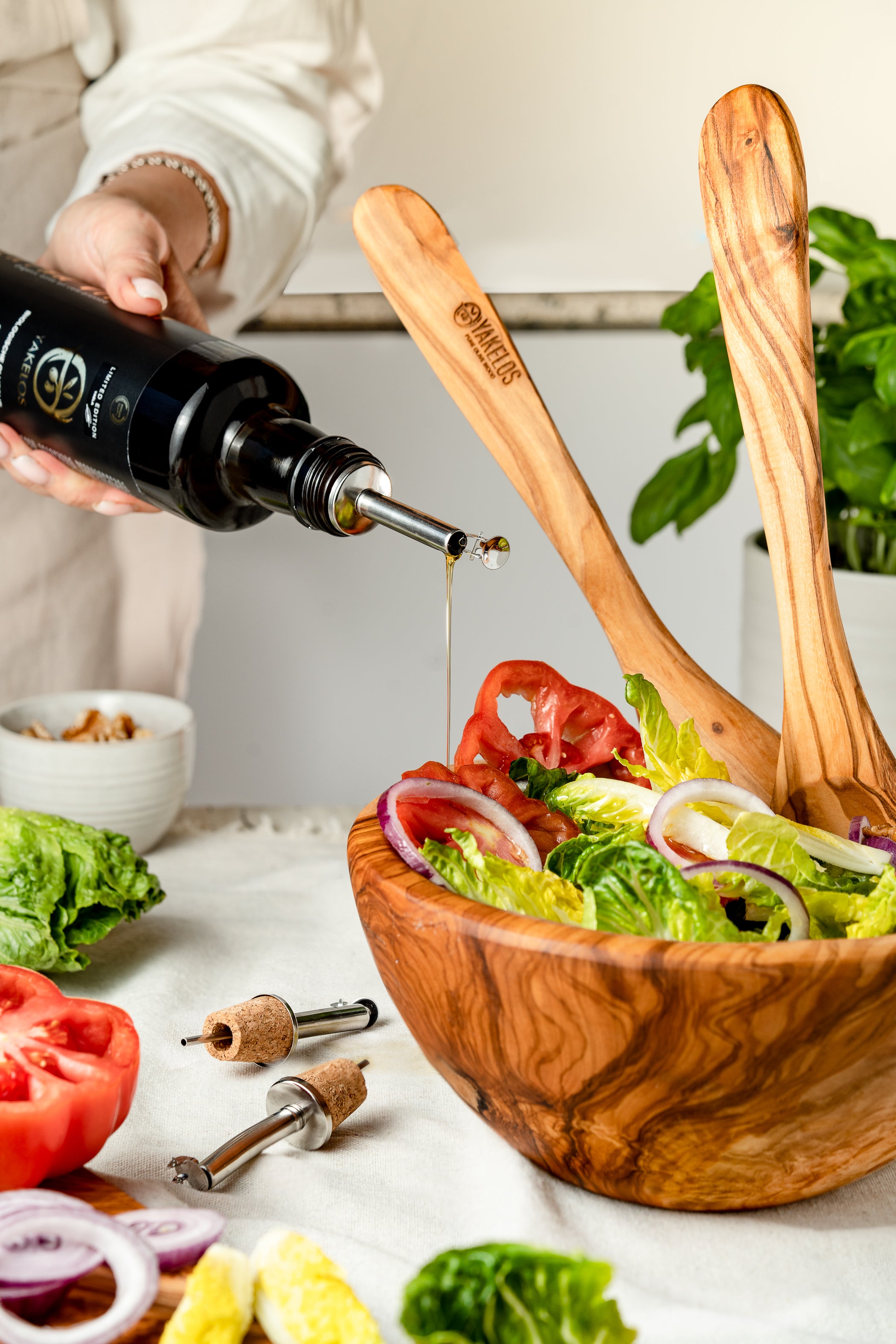
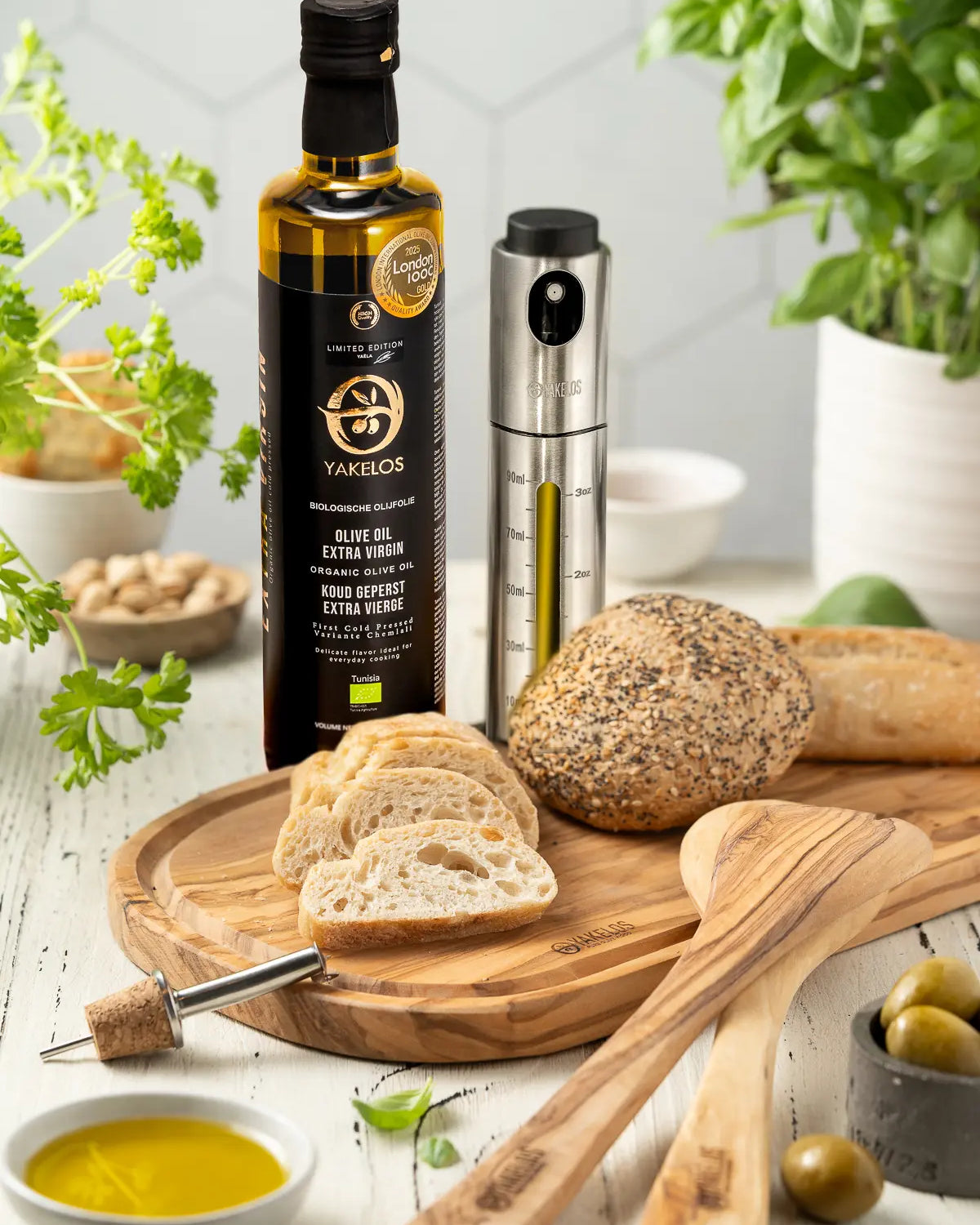
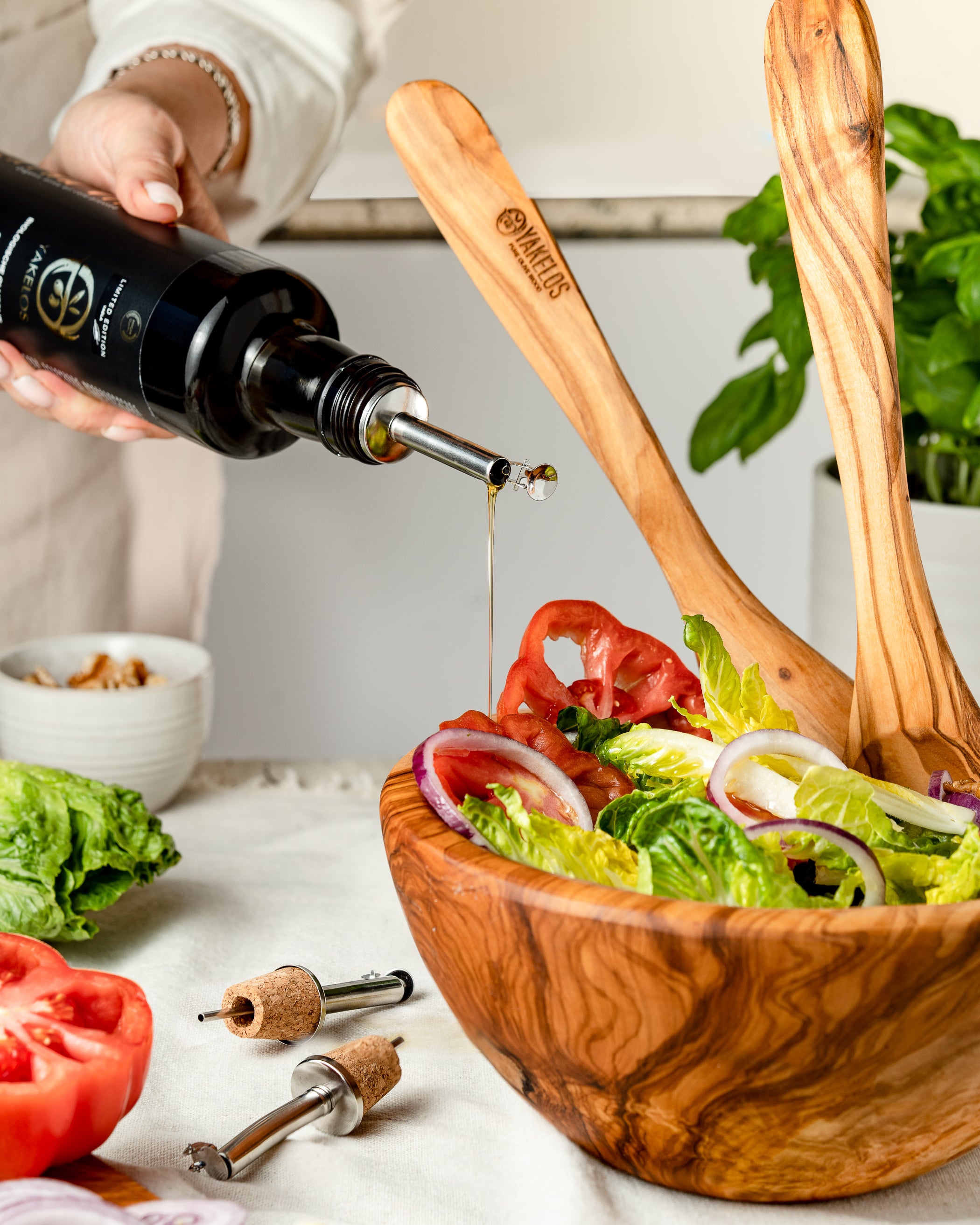
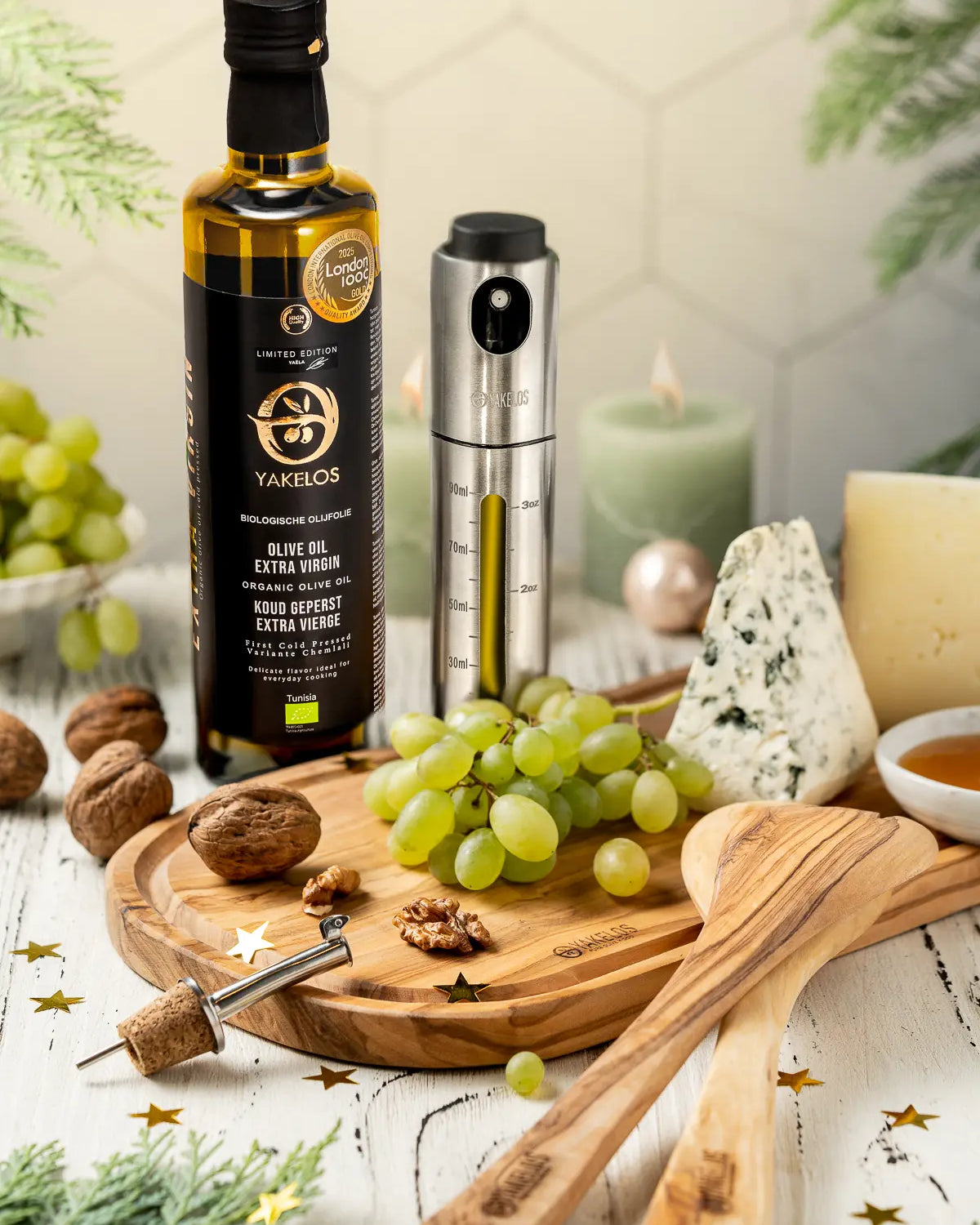
For raw use, over salads, bread or a finished dish, a fresh, fruity oil with a peppery finish shows at its best. The flavour is the whole point.
For daily cooking, extra virgin holds up well up to roughly 170 to 180 degrees, so frying and roasting are no problem. A single variety such as Chemlali suits both jobs well.
Ready to put this checklist to the test?
You now know what to check, so judge any bottle yourself. Yakelos organic extra virgin olive oil is a single Chemlali variety, cold processed below 27 degrees, with an acidity around 0.2 to 0.4 percent. Start with the tasting pack, or explore the organic extra virgin olive oil range.
Why 2026 means buying fresh, not chasing a brand
Unlike wine, olive oil does not improve with age. It is best young, and its freshness fades steadily from the moment of pressing.
In 2026, the freshest bottles come from the 2025 to 2026 harvest, not from a name you already recognise. A single variety such as the Chemlali olive variety, grown in central Tunisia, harvested early and pressed within hours, gives a stable and genuinely fresh oil year after year.
The essentials, in short
Picking the best extra virgin olive oil in 2026 comes down to checking, not trusting. Look for a recent harvest year, an acidity well under the legal ceiling, a single named origin and dark packaging. Taste the oil yourself: fresh, fruity, a little bitter, with a peppery finish.
Yakelos meets each of these points with Chemlali olives from central Tunisia, but the same checklist works on any bottle you pick up.
Frequently asked questions about extra virgin olive oil
What is the best extra virgin olive oil in 2026?
There is no single best oil. The best bottles share a recent harvest, low acidity, a single origin and dark packaging. Buy the freshest oil you can find from the latest harvest.
How do I know if an olive oil is genuinely extra virgin?
Check for a harvest year, a specific named origin, dark glass or a tin, and a certification such as organic. Then taste it: it should be fruity, mildly bitter, with a peppery finish.
Is a low acidity enough to judge quality?
No. An acidity below 0.8 percent is required by law, and the best oils sit lower still, but taste and the absence of defects matter just as much.
Can I cook with extra virgin olive oil?
Yes, extra virgin olive oil works well for everyday cooking up to roughly 170 to 180 degrees. For raw use over salads and bread, its flavour shows best.
How long does olive oil stay fresh?
Use it within 12 to 18 months of harvest, and store it away from light and heat. Dark glass or a tin helps keep it fresh for longer.
Is single origin better than a blend?
A single named origin and one variety are easier to trace and typically point to higher quality. An anonymous EU blend can mix oils of different freshness and origin.
If you have more questions about buying or storing olive oil, have a look at the olive oil FAQs for further detail.

Inhoudsopgave