

Olive oil is healthy, and it ranks among the most researched fats in nutrition. The benefit comes from three things: monounsaturated fats, antioxidants called polyphenols, and its role as a healthy fat that replaces saturated fats such as butter. Quality and amount both matter, so a vague label alone tells you little.
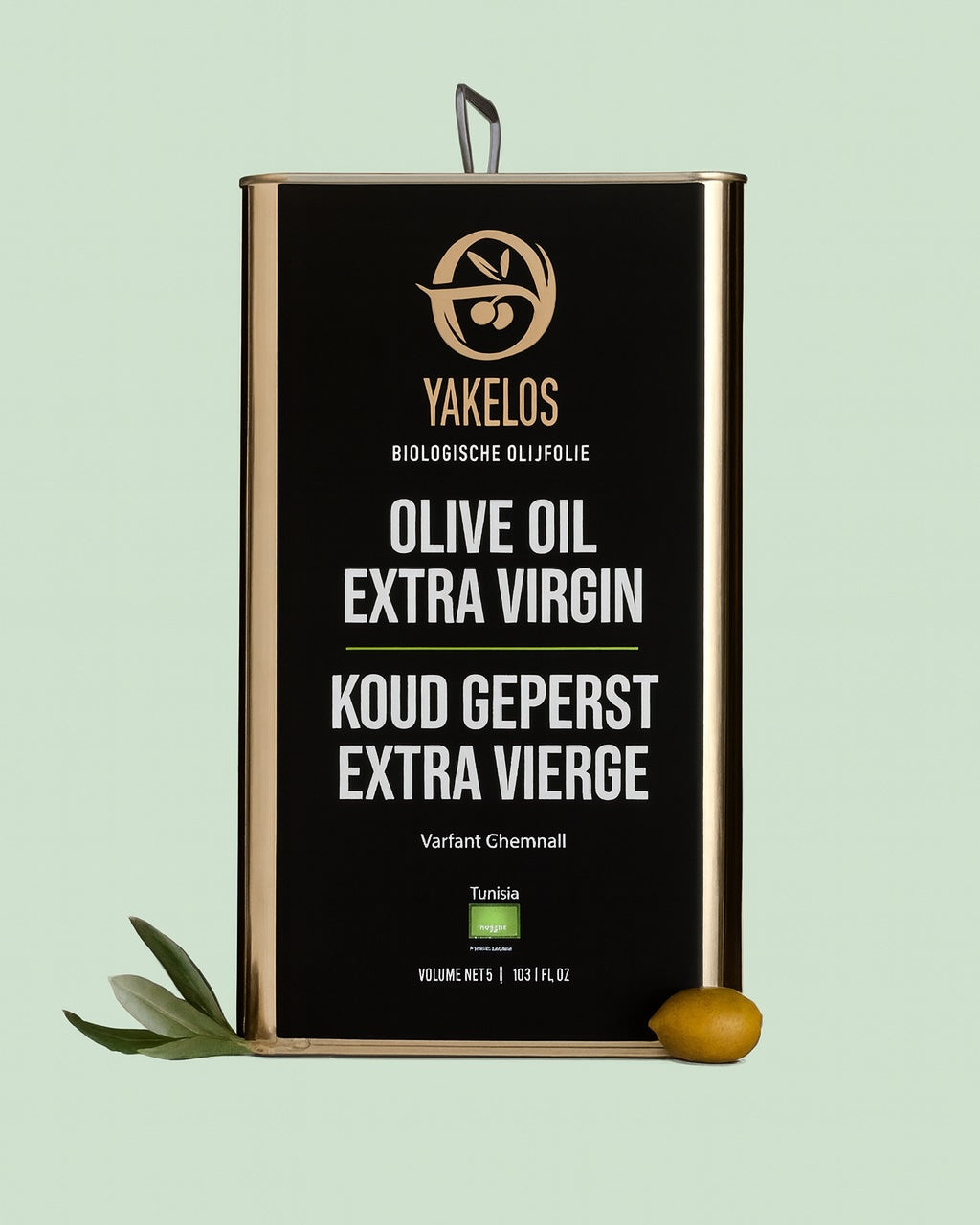
- 0.2 to 0.4% Acidity of Yakelos oil, well under the 0.8% legal ceiling for extra virgin
- 1 to 2 tablespoons Suggested daily amount as a replacement for saturated fats
- under 27°C Cold processing temperature that helps preserve polyphenols and vitamin E
Why olive oil counts as a healthy fat
Olive oil is mostly monounsaturated fat, and the main one is oleic acid. Research suggests that replacing saturated fats, the kind found in butter and fatty meat, with monounsaturated fats like oleic acid may help maintain normal blood cholesterol levels.
That effect depends on substitution. Pouring extra olive oil on top of a diet that still contains plenty of saturated fat will not do the same work as swapping one for the other.
Olive oil also contains vitamin E, an antioxidant that supports normal cell function. For a closer look at how these fats interact with your heart, see the heart health benefits of olive oil.
Polyphenols, antioxidants and what they do
Take a sip of a genuinely fresh extra virgin oil and you may notice a light peppery catch at the back of your throat.
That sensation is a sign of polyphenols, natural antioxidants that research has associated with protecting blood lipids from oxidative stress, a process where unstable molecules damage fats and cells. Extra virgin oil also carries vitamin E, another antioxidant with a similar protective role.
Tip from Yakelos: a gentle peppery tingle at the back of the throat is a practical sign that an extra virgin oil still carries its polyphenols, a hallmark of the early harvested Chemlali oil.
Cold processing and a recent harvest help these compounds survive. Yakelos presses its Chemlali olives within hours of picking, below 27 degrees, which limits the heat exposure that breaks polyphenols down. You can read more about polyphenols in olive oil and how they are measured.
How much olive oil a day is healthy
How much olive oil is enough for a health benefit, without piling on unnecessary calories? Most guidance points to one to two tablespoons a day, taken as a replacement for saturated fats such as butter or margarine.
Olive oil is calorie dense, so the gain comes from what it replaces, not from adding more on top of an unchanged diet. Swap the butter on your toast or the oil in your frying pan, rather than pouring extra oil over a meal that stays the same otherwise.
For a closer look at the reasoning behind this amount, see two tablespoons of olive oil a day.
Which olive oil is the healthiest choice
Picture two bottles on the supermarket shelf, one marked extra virgin and one simply olive oil. They are not interchangeable, and the difference matters for health as well as taste.
Extra virgin is the least processed grade. It is extracted mechanically without heat or chemical solvents, which keeps most of its polyphenols and vitamin E intact.
Refined olive oil goes through heat and chemical treatment that strips out flavour along with much of the antioxidant content. Genuine extra virgin also carries a legal ceiling on acidity of 0.8 percent, a marker of how fresh and undamaged the olives were at pressing.
| Attribute | Extra virgin | Refined |
|---|---|---|
| Processing | Cold pressed, no chemicals | Heat and chemical refining |
| Acidity | Typically 0.2 to 0.8% | Neutralised, not a meaningful figure |
| Antioxidants | Rich in polyphenols and vitamin E | Largely stripped out |
| Flavour | Fruity, peppery, grassy | Neutral, mild |
| Best use | Raw and moderate heat cooking | High heat cooking |
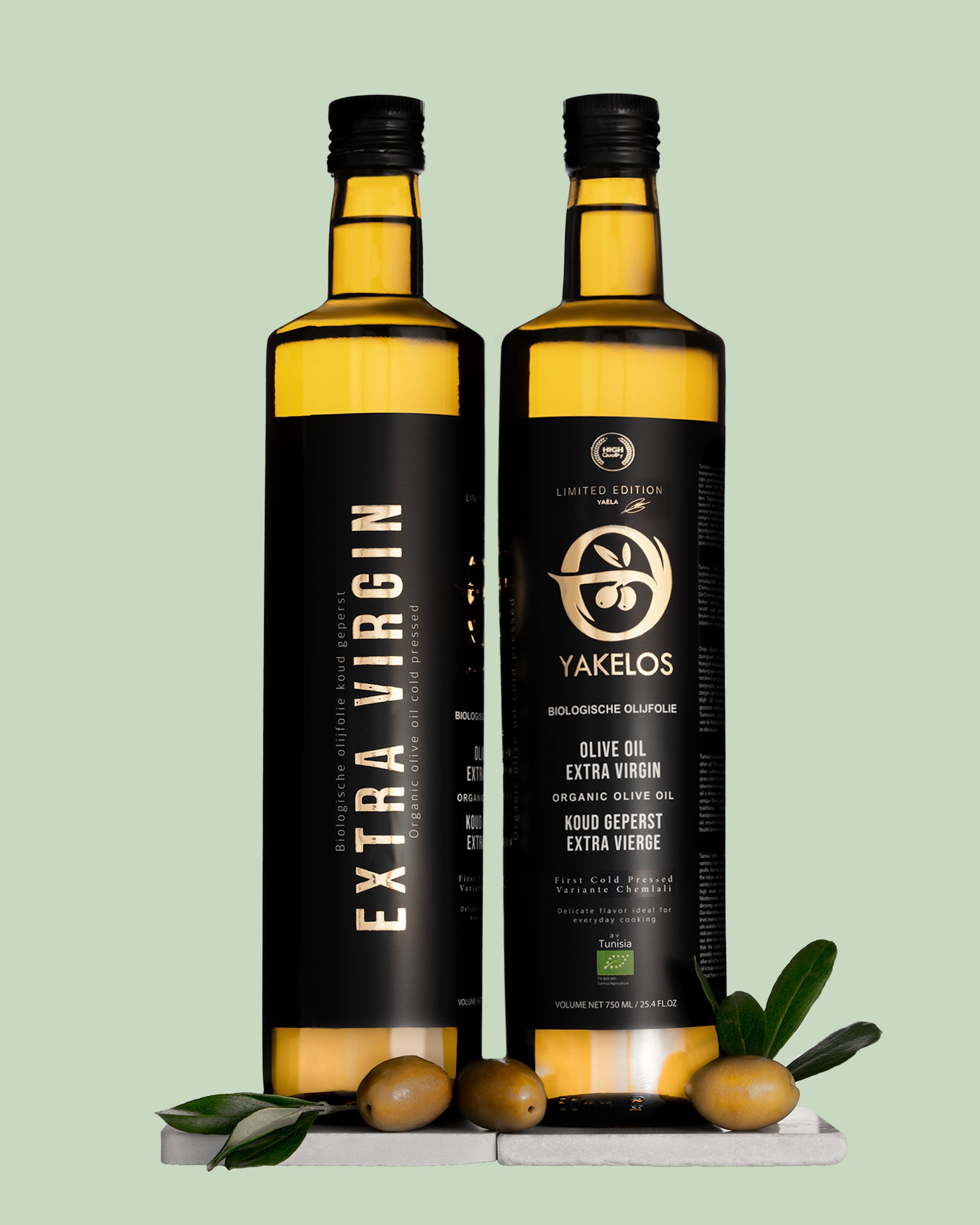
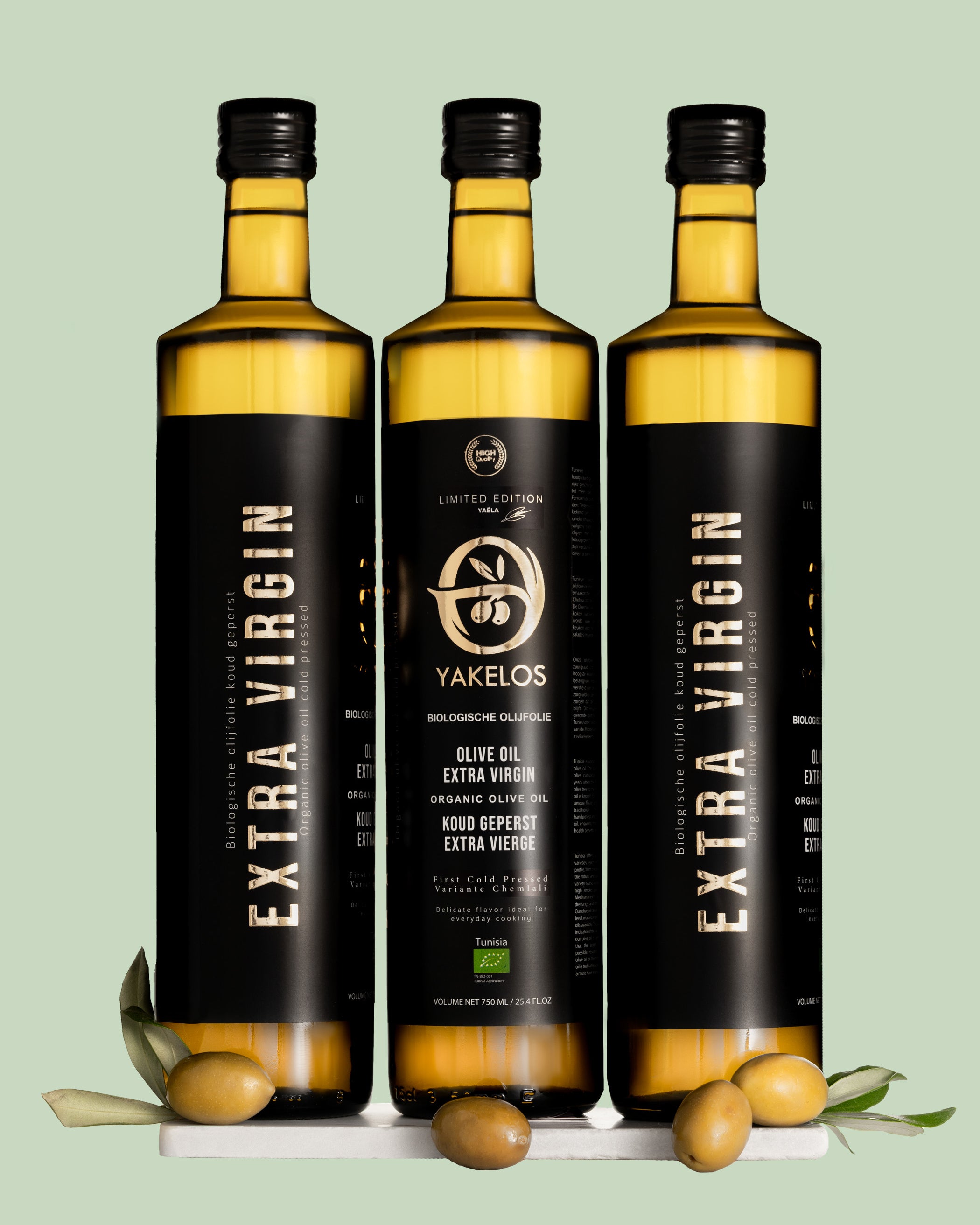
Yakelos oil sits at roughly 0.2 to 0.4 percent acidity, well under that ceiling. If you want to see how that shows up in the bottle, have a look at the organic extra virgin olive oil range.
Do the health benefits survive cooking?
Can you cook with extra virgin olive oil without undoing its benefits? For everyday tasks like sauteing vegetables or searing a piece of fish, yes, roughly up to 170 to 180 degrees.
Some polyphenols do reduce with heat, so raw use over a salad or a finished dish keeps the most of them. Cooking below the oil's smoke point still leaves you with a beneficial fat, just with a smaller antioxidant dose than a raw drizzle.
Keeping the heat moderate also avoids forming unwanted compounds that appear once an oil starts to smoke properly.
Curious whether Yakelos suits your cooking?
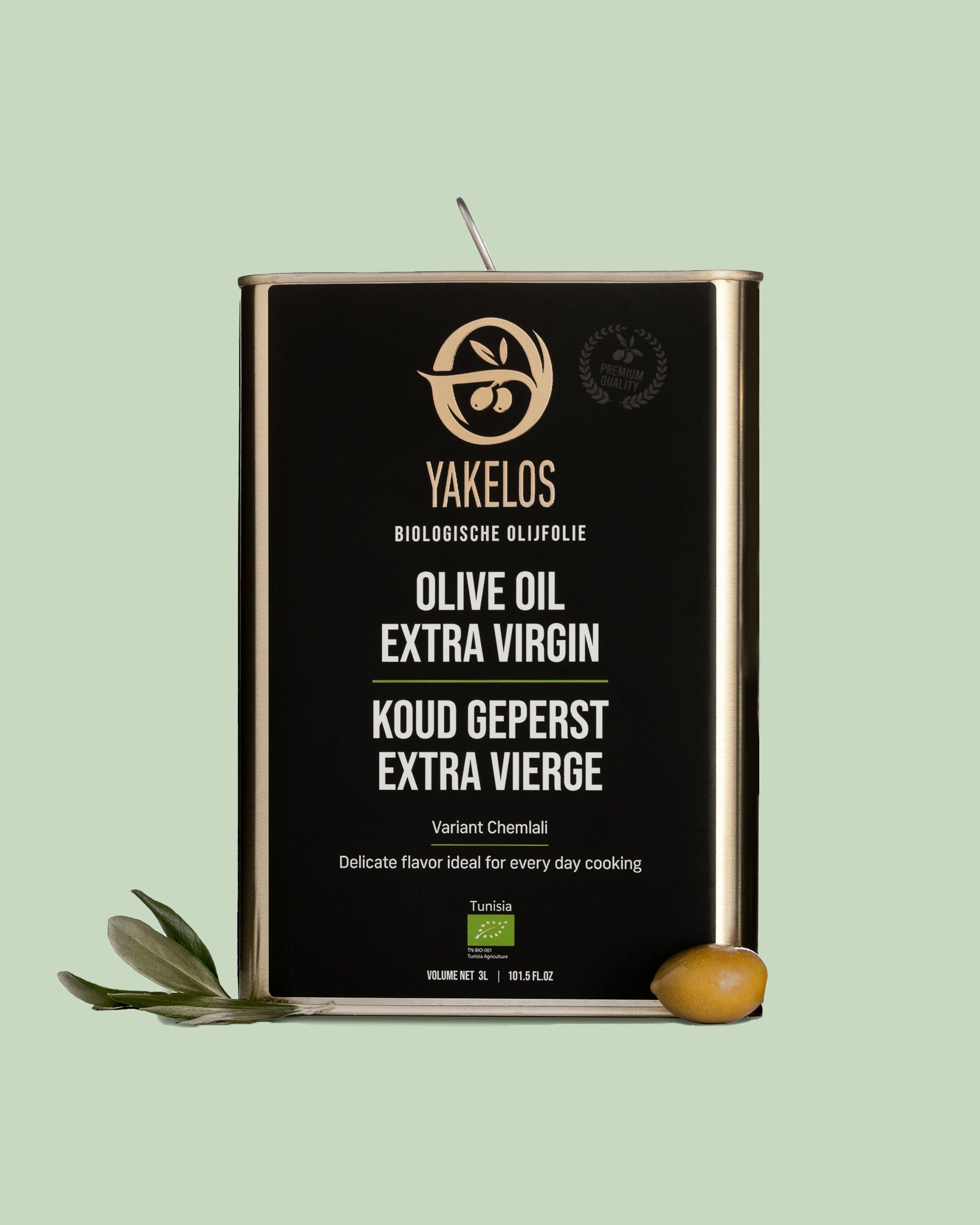
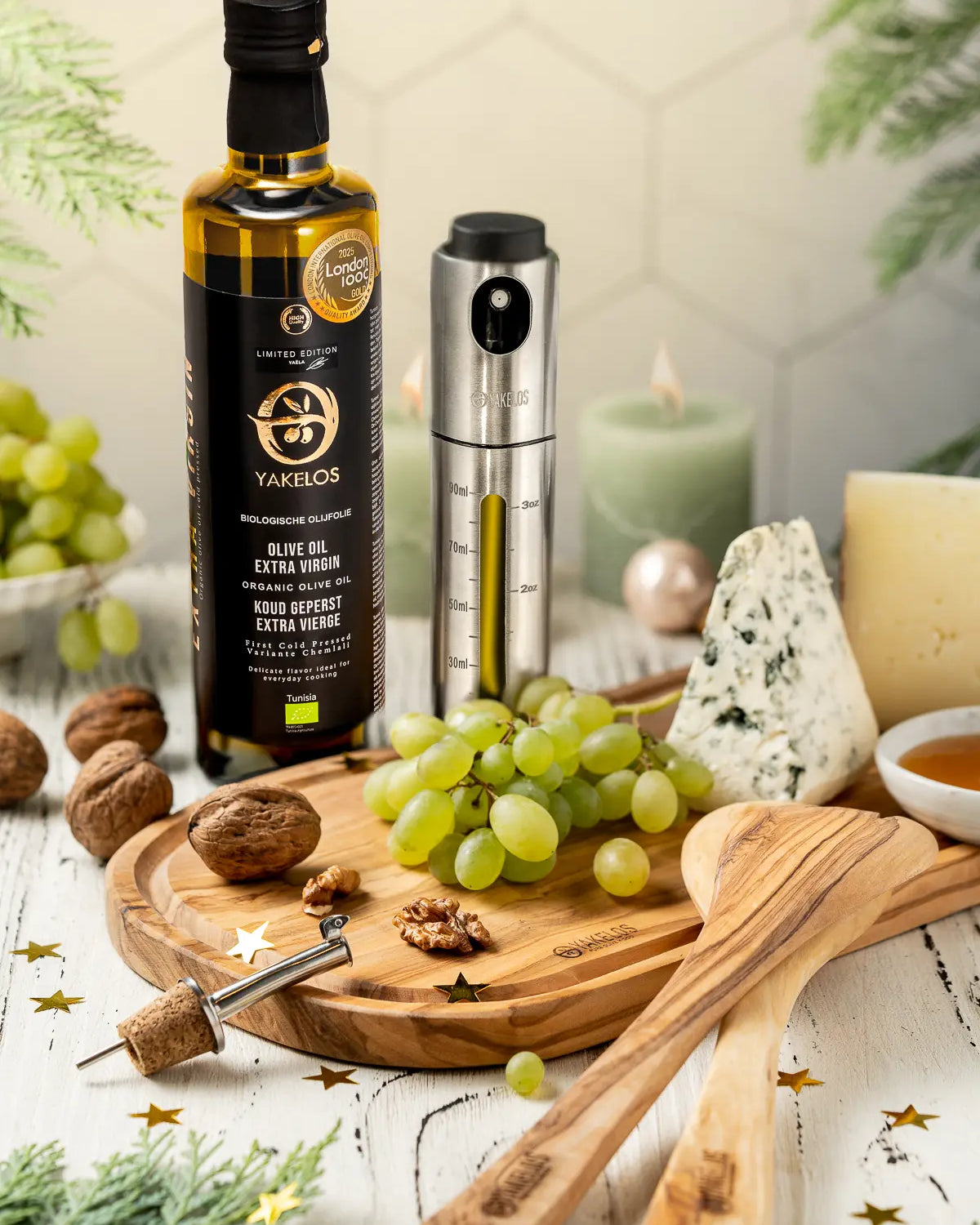
Yakelos organic extra virgin olive oil handles gentle sauteing and roasting up to around 170 to 180 degrees, with a subtle peppery finish from its polyphenols. You can order it and try it at home, backed by a 30 day free trial and a money back guarantee if it is not for you.
The short version
Olive oil is a healthy fat when the quality is right and it replaces saturated fat rather than sitting on top of your usual diet. Its monounsaturated fats and polyphenols are linked to normal cholesterol levels and protection against oxidative stress, though none of this makes it a medicine.
One to two tablespoons a day is a sensible amount, and extra virgin, cold pressed within hours of harvest, keeps the most of its antioxidants. Yakelos oil, at roughly 0.2 to 0.4 percent acidity, is a concrete example of what that looks like in the bottle.
Frequently asked questions about extra virgin olive oil
Is it healthy to have olive oil every day?
Yes, one to two tablespoons a day fits comfortably into a healthy diet. It works best as a replacement for saturated fats such as butter, rather than as an addition on top of them.
Which is healthier, butter or olive oil?
Research suggests that replacing butter with olive oil may support normal cholesterol levels, since olive oil is mostly unsaturated fat while butter is largely saturated. The comparison only holds when one genuinely replaces the other in your diet.
Is olive oil good for type 2 diabetes?
Olive oil has been associated with favourable effects as part of a wider Mediterranean eating pattern. It is not a treatment, so anyone managing diabetes should follow their own medical advice.
Why do some people say not to cook with olive oil?
The concern is usually overheating past the oil's smoke point. Kept to gentle cooking around 170 to 180 degrees, extra virgin olive oil is perfectly fine to use.
Does heating olive oil destroy the antioxidants?
Some polyphenols do reduce with heat, so raw use over a finished dish keeps the most of them. Gentle cooking still leaves you with a beneficial oil, just with a slightly smaller antioxidant dose.
Is extra virgin healthier than regular olive oil?
Yes. Extra virgin is the least processed grade and keeps far more of its polyphenols and vitamin E than refined olive oil.
If you still have questions beyond these, our full olive oil FAQs page covers storage, taste and buying in more detail.