

Olive oil polyphenols are the natural compounds that give a good extra virgin olive oil its bite and its bitterness, not a flaw to avoid. This article explains what they do, how much you actually need, how to taste them and how to keep them from fading. The approach here is evidence led, not a case for more being automatically better.
- 5 mg hydroxytyrosol and derivatives per 20 g needed for the EU health claim
- 250 mg/kg the practical polyphenol reference the claim works out to
- 0.2 to 0.4% acidity of Yakelos Chemlali oil, well under the 0.8% legal ceiling
What polyphenols are and what they do in the body
What exactly happens when you swallow a spoonful of good olive oil? Polyphenols are natural compounds that protect the olive tree against strong sunlight, oxygen and pests.
In your body they work mainly as antioxidants: compounds that help neutralise free radicals and reduce oxidative stress, a kind of cell damage linked to ageing. Research suggests regular intake may help protect blood fats against this stress, with some studies pointing to anti-inflammatory effects too. This wider protective role is explored further in heart health benefits of olive oil.
Olive oil is a food, though, not a medicine, and no spoonful prevents or treats anything.
The key polyphenols in olive oil
Picture the peppery catch at the back of your throat after a good glug of extra virgin oil. That sensation comes from a small family of phenols working together.
- Oleocanthal: the peppery, throat-catching compound, studied for anti-inflammatory effects
- Hydroxytyrosol: one of the strongest antioxidants in olive oil
- Oleuropein: gives bitterness, strongest in early harvest oils
- Tyrosol: a supporting phenol adding to the antioxidant total
Hydroxytyrosol and its derivatives underpin the EU health claim, covered next. For more on that peppery kick, see oleocanthal in olive oil.
How to recognise an oil rich in polyphenols
Imagine two bottles on the shelf, both labelled extra virgin. Taste them side by side and you will notice a real difference before any lab report does.
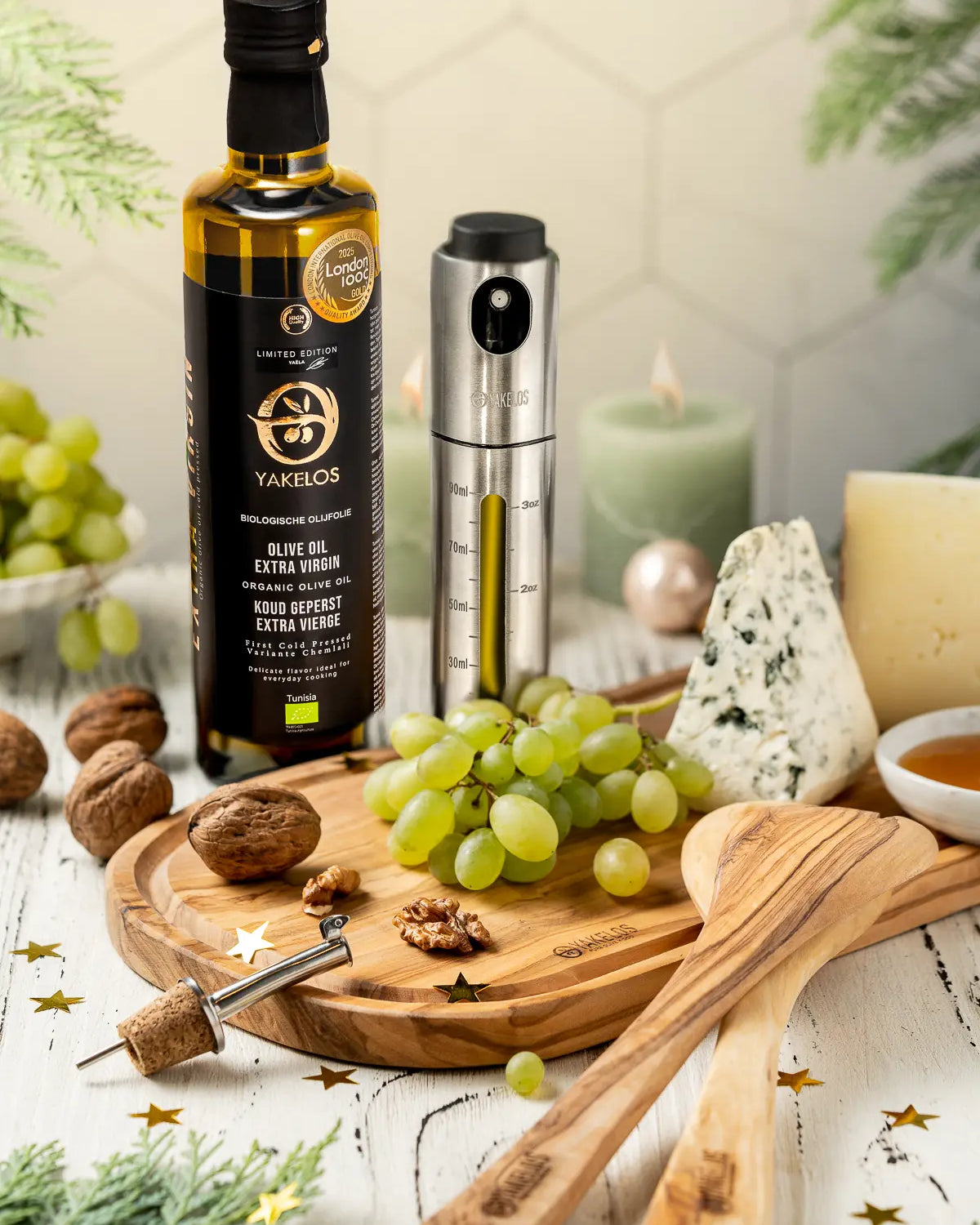
Bitterness, a peppery tingle in the throat and fresh, grassy aromas are the taste signals of polyphenols at work. Yakelos's early harvested, cold processed Chemlali oil gets its gentle peppery finish and grassy note from exactly these compounds. If you have wondered why olive oil tastes bitter, this is your answer: a sign of quality, not a flaw.
Tip from Yakelos: taste a spoonful on its own, warm it slightly in your mouth, and notice the bitterness and throat tingle before you swallow. Treat both as good signs, not faults, though taste alone will not give an exact mg per kilogram figure.
What the mg per kilogram figure and the EU health claim mean
The EU only allows a health claim when the oil delivers at least 5 mg of hydroxytyrosol and derivatives per 20 g, working out to roughly 250 mg/kg. That threshold is specific: it applies to hydroxytyrosol and related compounds, not the total polyphenol count sometimes printed on a lab report.
A figure of 800 mg/kg is not twice as healthy as 400, and neither number alone tells you much above the threshold. The associated effects on blood fats have been studied around consistent daily use, as research on olive oil consumption shows, rather than around the highest number on a bottle. Above that baseline, taste and freshness matter just as much as the figure on paper.
Cooking with and storing polyphenol rich oil
Do polyphenols disappear the moment the pan gets hot? Not entirely: they make extra virgin oil more heat stable than refined oils, so it holds up well up to around 170 to 180 degrees.
Some are lost at higher heat, but you keep more character than with a neutral, refined oil. Light, heat, oxygen and time all reduce polyphenol levels in storage, with the sharpest drop in the first year. Keep the bottle dark, cool and tightly closed, and choose as recent a harvest as you can find.
Want to keep more of those polyphenols on your plate?
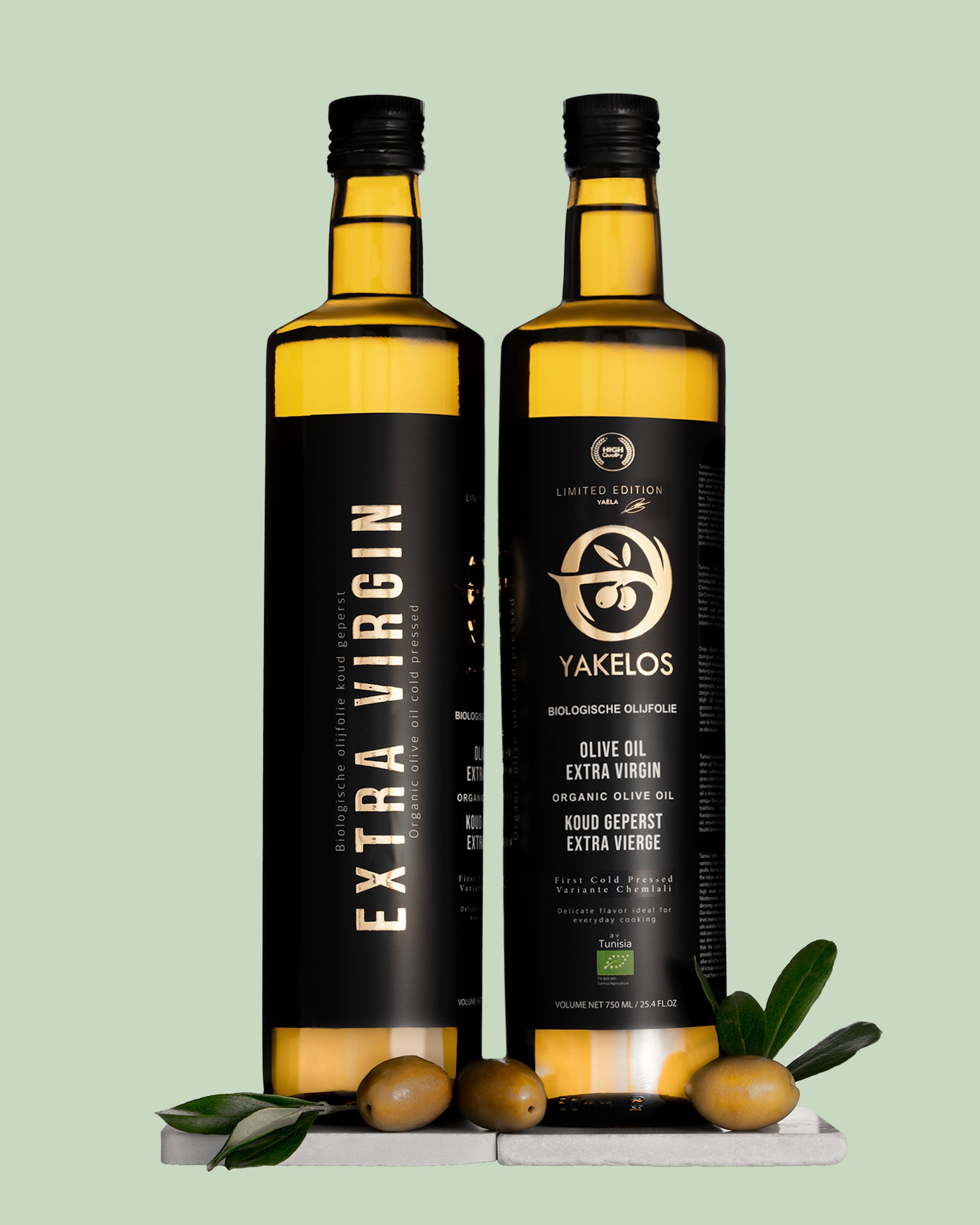
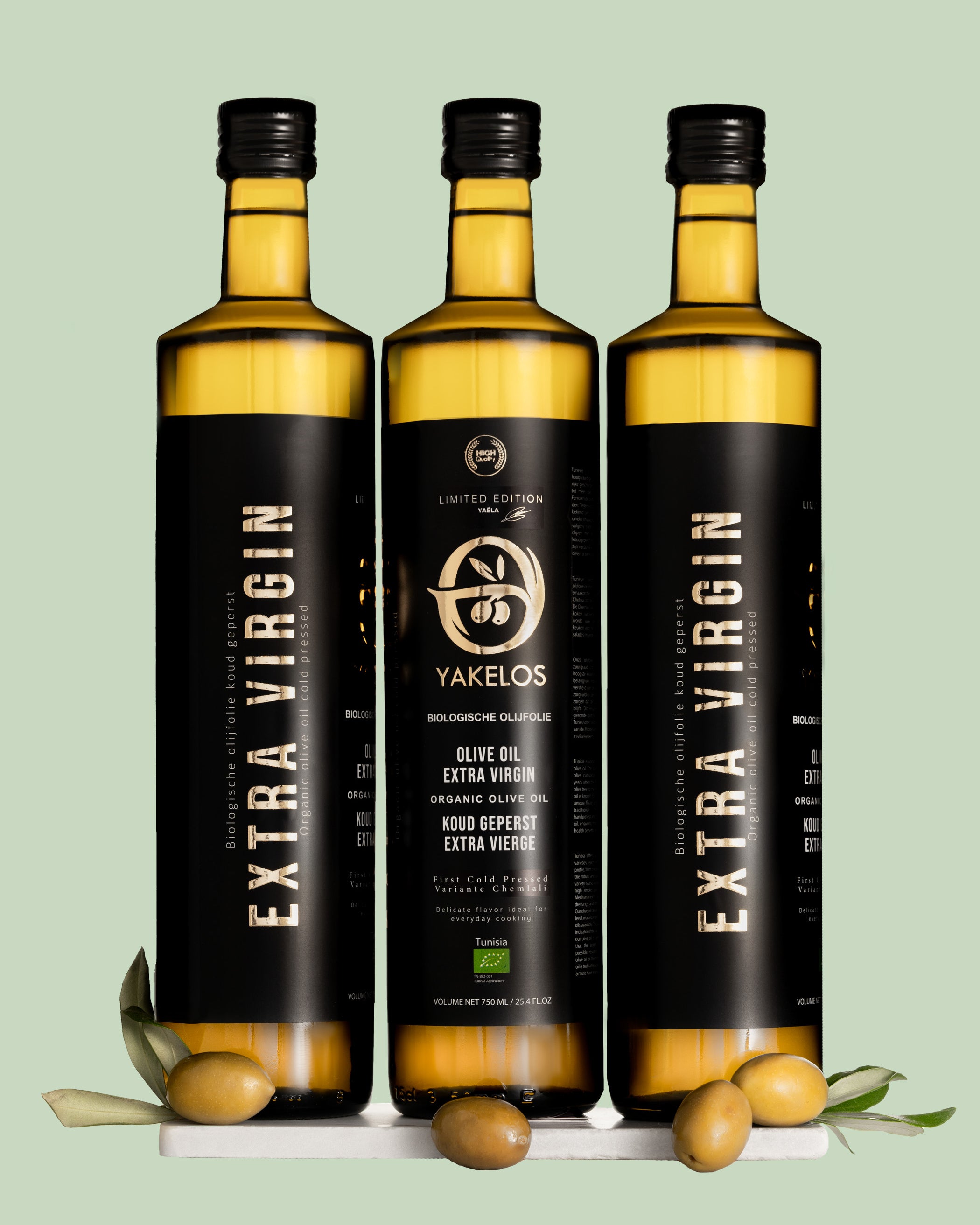
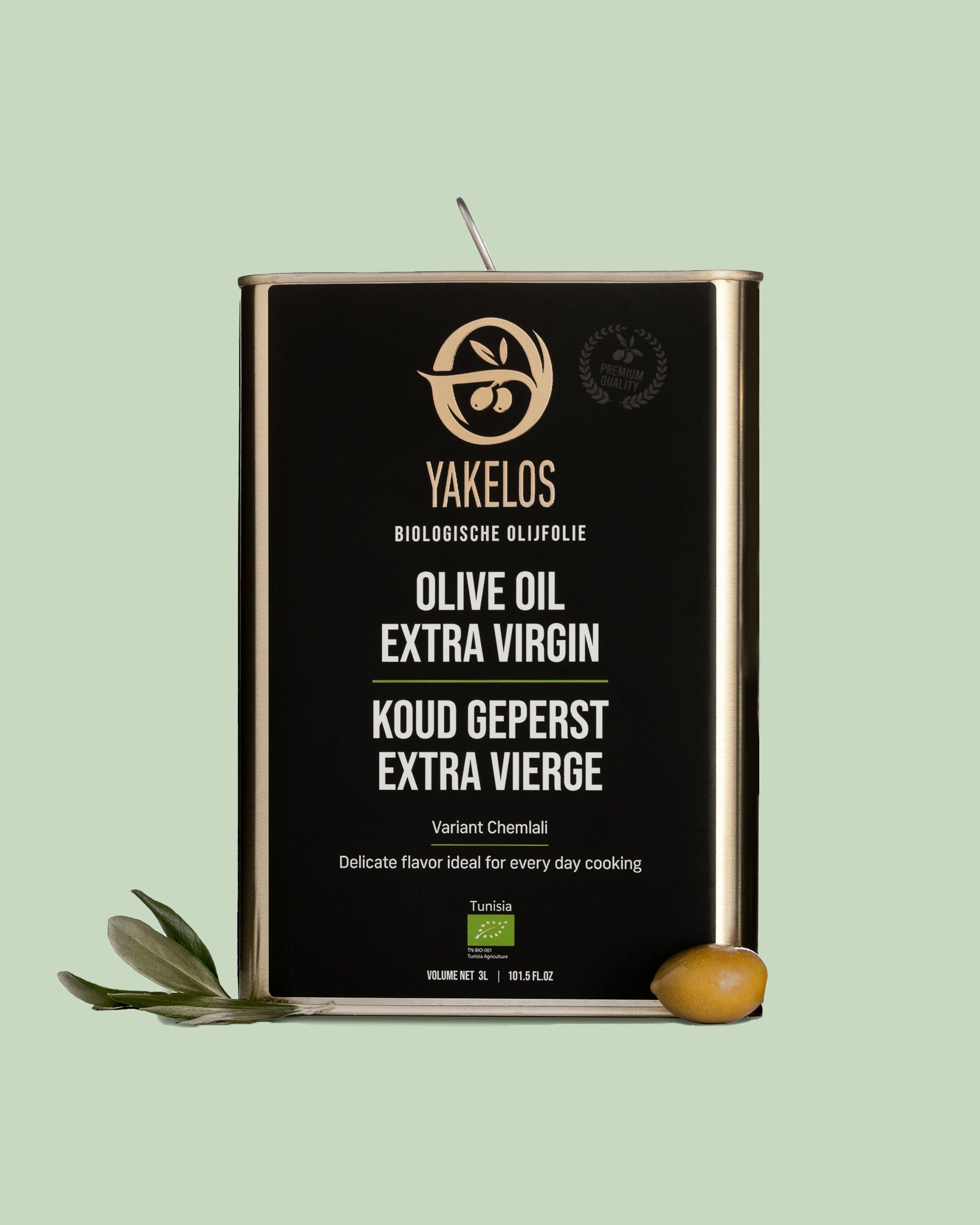
Yakelos Organic Extra Virgin Olive Oil comes from early harvested Chemlali olives, cold processed below 27 degrees to protect exactly these compounds. Orders before 16:00 ship the same day, with 30 days to try the oil and your money back if it is not for you. Have a look at the organic extra virgin olive oil in the shop.
Polyphenols in short
Polyphenols are natural plant compounds that give good extra virgin olive oil its bitterness and peppery finish, alongside a role as antioxidants in the body. The EU claim rests on a specific threshold, roughly 250 mg/kg of hydroxytyrosol and derivatives, and a higher total number is not automatically better.
Taste is a genuine, if rough, guide, and freshness and correct storage matter more than chasing the highest figure on a label. Yakelos's early harvested Chemlali oil, with its 0.2 to 0.4 percent acidity, is one honest example of what that looks like in the bottle.
Frequently asked questions about olive oil polyphenols
Which olive oil contains the most polyphenols?
There is no single winner: variety, harvest timing and freshness all matter. Early harvested, single variety oils such as Yakelos's Chemlali tend to score higher.
What does a tablespoon of olive oil a day do?
Around 20 g a day, roughly two tablespoons, is linked to the EU claim on protecting blood fats from oxidative stress. Treat it as part of a balanced diet, not a treatment.
Are polyphenols good for you?
Research links polyphenols to antioxidant and anti-inflammatory effects, and to protecting blood lipids from oxidative stress. Olive oil remains a food, though, so no disease claims can be made.
Can polyphenols have side effects?
For most people, polyphenols from olive oil in normal food amounts are well tolerated. Anyone with a specific medical question should speak to a doctor.
Does olive oil keep its polyphenols once opened?
They fade with light, heat, oxygen and time. Store the bottle dark, cool and closed, and use an opened one within a few months.
Is a higher mg per kilogram figure always better?
No. Above the EU threshold there is no evidence that more is automatically better, and very high levels can taste harshly bitter. Balance the figure with taste and how you use the oil.
For more everyday questions on choosing, storing and using extra virgin olive oil, the olive oil FAQs page brings together answers in one place.