
Information

Why olive oil tastes bitter, and whether that is a good sign
Bitterness in extra virgin olive oil often signals polyphenols, as in Yakelos's Chemlali oil with 0.2 to 0.4% acidity. Find out when it means a fault.
How to recognise good, genuine extra virgin olive oil
Genuine extra virgin olive oil has an acidity of 0.2 to 0.4 percent, well under the 0.8 legal limit. Read the four checks to spot it yourself.
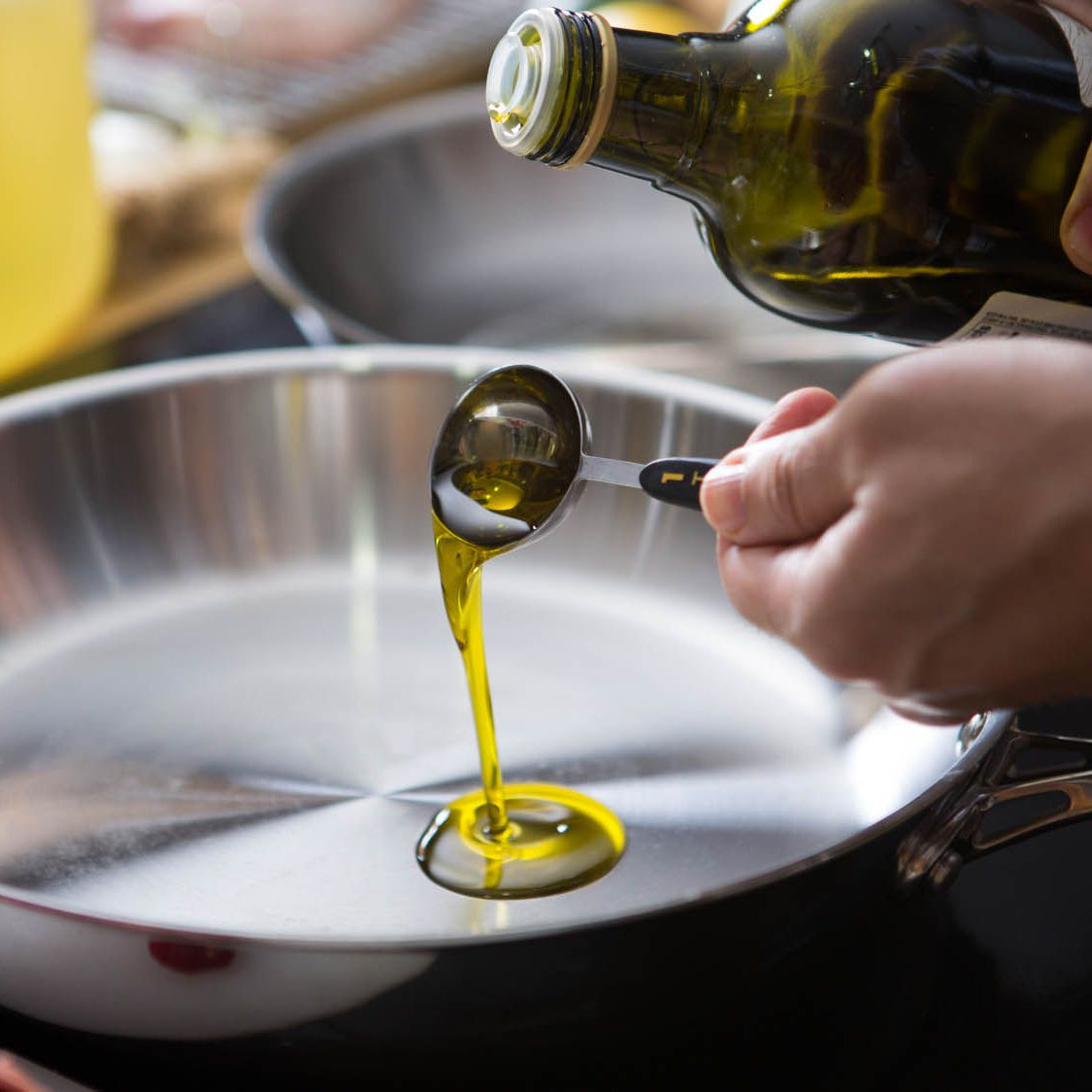
The melting point of olive oil, and what solidifying really means
The olive oil melting point isn't fixed: it clouds between 10 and 4 degrees and solidifies around minus 6. Find out why, and what actually causes damage.
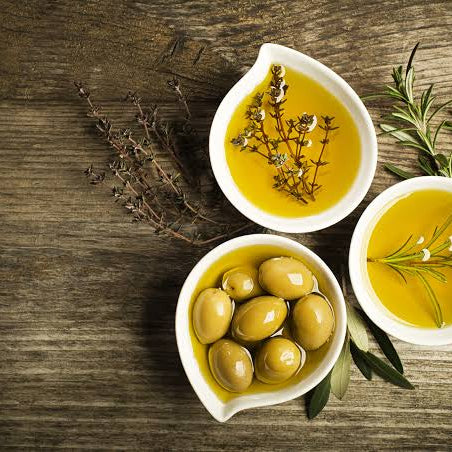
The disadvantages of olive oil, honestly weighed up
Olive oil has disadvantages, from around 90 kcal per tablespoon to a smoke point of 160 to 180 degrees. See how they weigh up against the benefits.

Bringing Olive Oil on a Plane: What Are the Rules?
Can you bring olive oil on an airplane? Yes, but mind the container size. Bottles larger than 100 ml (3.4 oz) cannot pass through security in your carry-on bag. If you want to bring a full-sized bottle home from your trip, pack it securely in your checked baggage or purchase it duty-free after security. To prevent leaking suitcases or confiscated bottles, you can also simply order top-quality extra virgin olive oil directly online after your trip.
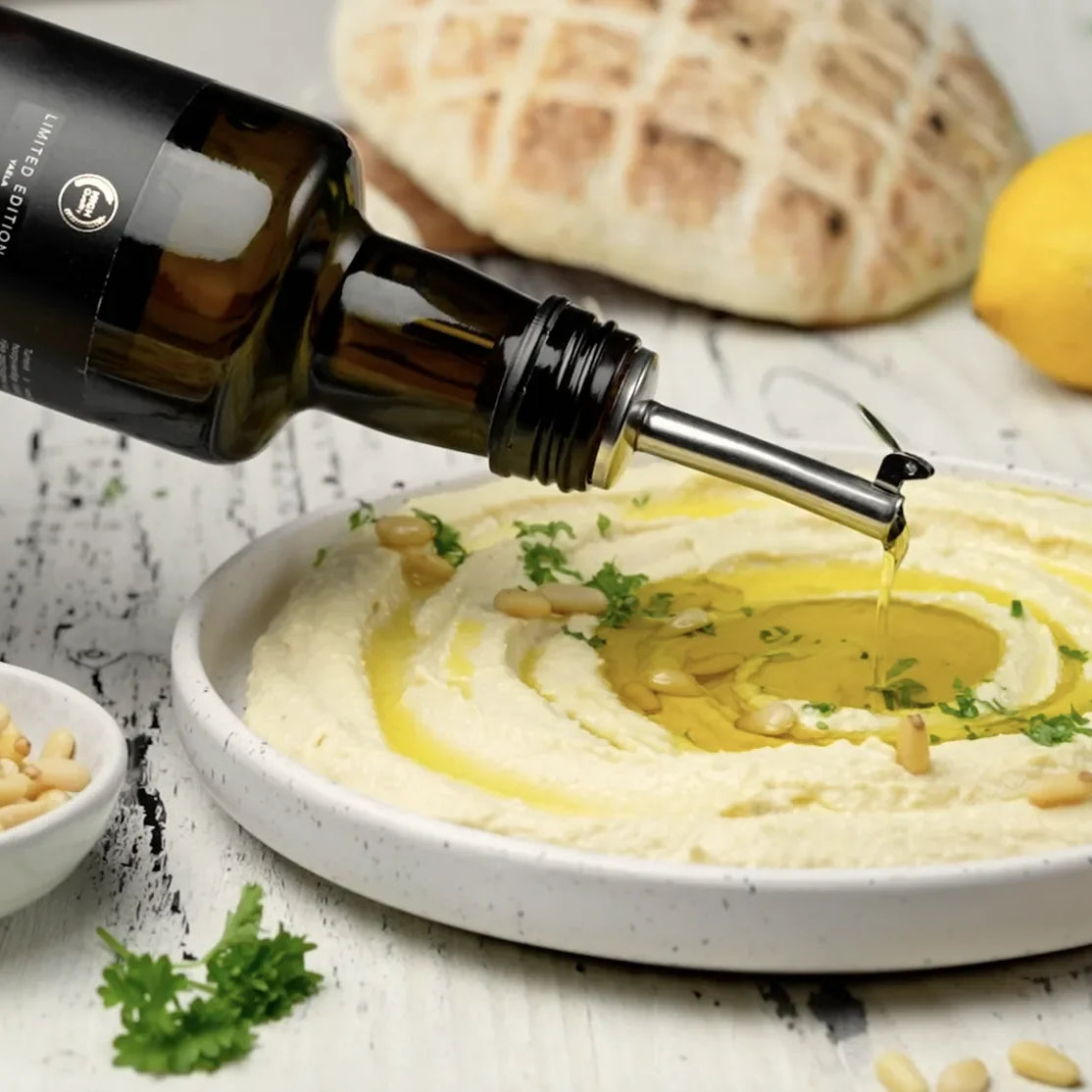
Best extra virgin olive oil 2026: how to recognise real top quality
The best extra virgin olive oil has a recent harvest, acidity below 0.5 percent and a single named origin. Here is how to check each sign yourself.

Best supermarket olive oil: how to choose a good bottle
A good supermarket olive oil scores below 0.8 percent acidity, lists a harvest date under 18 months old, and comes in dark glass. Read the checklist.
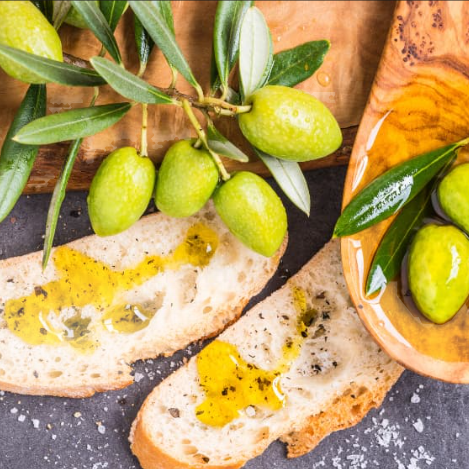
Olive Oil and Brain Health: How Extra Virgin Olive Oil May Help Protect Cognitive Function
Emerging research suggests that extra virgin olive oil does more than support cardiovascular health. A recent study indicates that high-quality olive oil may also help preserve cognitive function as we age by positively influencing the gut microbiome. These findings highlight the importance of choosing genuine extra virgin olive oil as part of a healthy lifestyle.
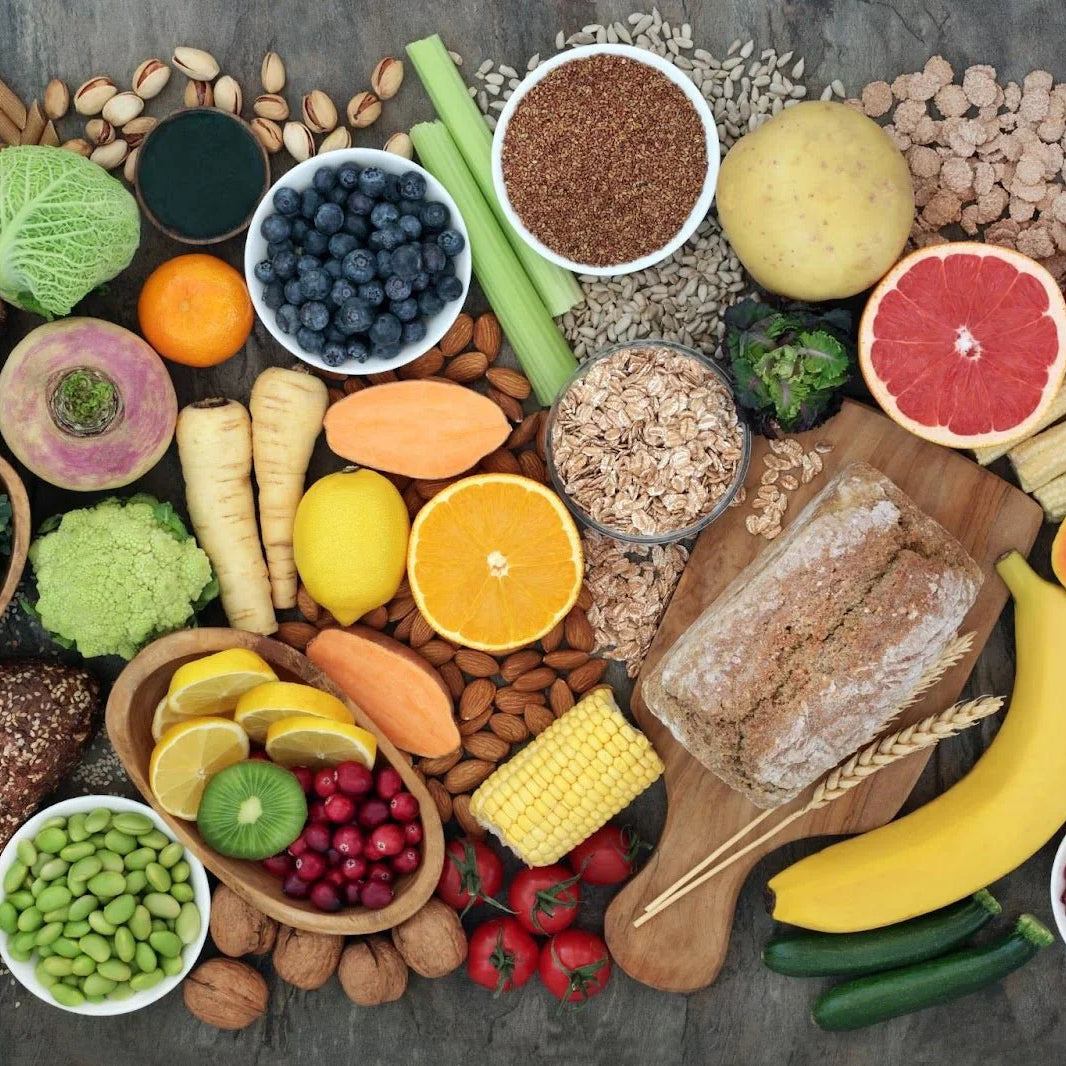
The ancient foundations of the Mediterranean diet
Discover the true, ancient origins of the Mediterranean diet. Far removed from modern influencers, this famous dietary pattern was not a trendy lifestyle choice, but a pure necessity for survival. Read how historical civilizations such as the Minoans, Phoenicians, and ancient Greeks laid the foundation for a diet—using local ingredients like extra virgin olive oil, grains, and fish—that continues to be praised by science to this day.
Olive Oil and Lower Mortality Risk: What Science Says
Extra virgin olive oil is a key part of the Mediterranean diet and recent research suggests it can lower the risk of overall mortality, cancer, and cardiovascular disease. Just one to two tablespoons per day show beneficial effects, partly through improved biomarkers like cholesterol, blood pressure, and inflammation markers. Known risk factors only partly explain this effect, hinting at additional, still unknown health benefits.
Sunflower Oil or Olive Oil: Which Is Better?