

What is olive oil?
Different types of olive oil
There are several types of olive oil available, each with its own flavor profile and uses. Extra virgin olive oil is the highest quality and is made from the first pressing of the olives. It has an intense flavor and is perfect for use in salads and dressings. Virgin olive oil is also of good quality but has a slightly milder taste. This oil is suitable for frying, sautéing, and stewing. In addition, there are refined olive oils and olive oil blends, which have a more neutral flavor and are suitable for various cooking techniques. It is important to choose an olive oil that matches the flavor and purpose of your dishes so you can achieve the best results.
Olive oil production process
The production process of olive oil is a crucial factor when choosing the best olive oil for your dishes. There are different methods of producing olive oil, but the most traditional and high-quality method is cold pressing. With cold pressing, the olives are carefully harvested and pressed within 24 hours without heating. This method preserves the oil’s natural flavor, nutrients, and antioxidants. It is also important to consider the origin of the olive oil. Olive oil from countries like Italy, Spain, and Greece is known for its high quality and taste. By considering both the production process and the origin, you can choose the best olive oil that perfectly matches your dishes.
Nutritional value of olive oil
Olive oil is not only a delicious addition to dishes, but it also contains important nutritional benefits. It is rich in monounsaturated fats, which are beneficial for cholesterol levels. Olive oil is also high in antioxidants, which can help reduce inflammation in the body. Additionally, olive oil contains vitamin E, a powerful antioxidant that can protect the skin from damage caused by free radicals. Regularly including olive oil in your diet can contribute to a healthy lifestyle and overall well-being.
Health benefits of olive oil
Heart health
Olive oil is well known for its many health benefits, especially when it comes to heart health. Regular consumption of olive oil can help reduce the risk of cardiovascular diseases. This is because olive oil is rich in monounsaturated fats that help lower LDL cholesterol levels. It also contains antioxidants that can reduce inflammation and lower blood pressure. Therefore, it is important to pay attention to the quality and monounsaturated fat content when choosing olive oil to fully benefit from its heart-healthy properties.
Anti-inflammatory properties
Olive oil is known for its anti-inflammatory properties. It contains a high amount of healthy fats, such as monounsaturated fatty acids, which help reduce inflammation in the body. These anti-inflammatory properties can be beneficial for people with conditions such as arthritis, asthma, and inflammatory bowel diseases. Olive oil also contains antioxidants, such as vitamin E, that help reduce oxidative stress and protect cells from damage. Regularly using olive oil in your dishes can therefore contribute to a healthy, anti-inflammatory diet.
Good for skin and hair
Olive oil is not only great for preparing delicious dishes, but it also offers many benefits for your skin and hair. Thanks to its natural fats and antioxidants, olive oil hydrates and nourishes the skin, making it an effective natural moisturizer. Olive oil can also be used as a hair conditioner, helping to soften the hair and add shine. Regular use of olive oil on the skin and hair can help maintain a healthy and radiant appearance. So, besides using it in the kitchen, olive oil is also an excellent choice for your daily beauty routine.
How to choose the best olive oil?
Quality labels and certifications
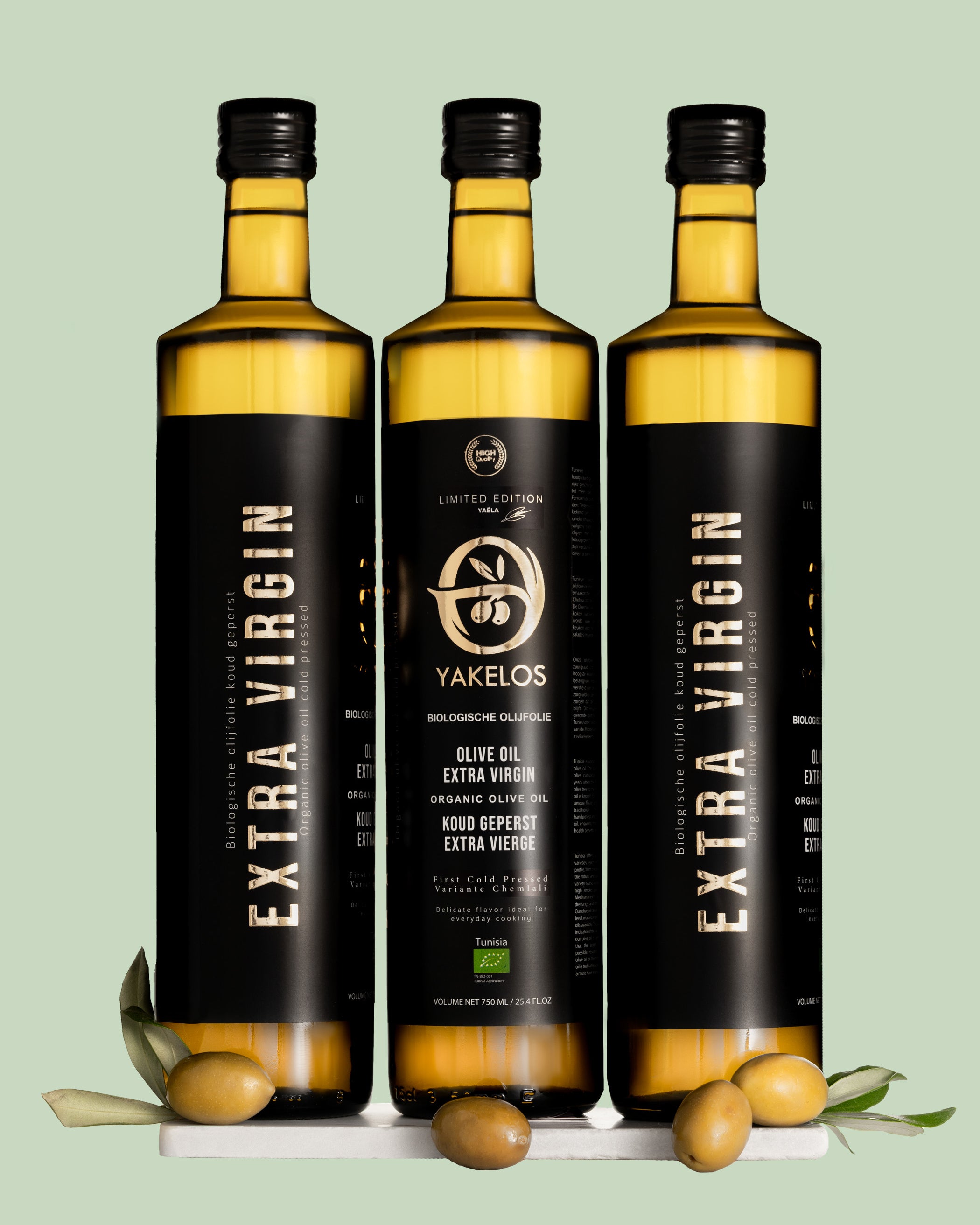
Quality labels and certifications play an important role when choosing the best olive oil for your dishes. These labels guarantee that the olive oil meets certain quality standards and that the production process has been carried out with care. One of the most well-known quality labels is the European “Extra Virgin” certification. This label is awarded to the highest quality olive oil, produced through mechanical means without chemical treatments. There are also other certifications, such as organic certifications, which indicate that the oil has been produced sustainably and environmentally friendly. Paying attention to these labels helps ensure you are purchasing a high-quality and flavorful product.
Extra virgin olive oil vs. refined olive oil
Extra virgin olive oil is considered the highest quality because it is produced through mechanical processes without chemical treatment. It has an intense flavor and aroma, making it ideal for salads, dressings, and dips. Refined olive oil, on the other hand, undergoes a refining process that removes impurities and acidic components. It has a neutral taste and is suitable for frying, sautéing, and deep-frying. When choosing the best olive oil for your dishes, it is important to consider taste, usage, and oil quality.
Flavor profiles and uses
Olive oil comes in different flavor profiles, and each profile has its own uses in the kitchen. A mild olive oil has a soft, subtle taste and is ideal for dressings and sauces. A medium olive oil has a slightly stronger flavor and is suitable for frying vegetables and meats. An intense olive oil has a bold, pronounced taste and can be used to add extra character to dishes. Choosing the right flavor profile helps ensure your dish is perfectly balanced.
Where to buy the best olive oil?
Specialty stores
Specialty stores are an ideal place to find the best olive oil for your dishes. These shops offer a wide selection of different types of olive oil, from various regions and with different flavor profiles. The staff often have extensive knowledge and experience with olive oil and can help you choose the right one for your cooking needs. Many specialty stores also offer tastings, allowing you to compare oils before buying. Visiting a specialty store can help you find an olive oil that truly elevates your dishes.
Online stores
Online stores are a convenient way to purchase olive oil. They offer a wide range of options and brands, making it easy to compare and choose the best olive oil for your dishes. You can also read reviews and experiences from other customers to make an informed decision. In many cases, expert advice is available online as well. With just a few clicks, you can order high-quality olive oil and have it delivered right to your home. In short, online stores offer convenience, variety, and expert guidance.
Farmers’ markets and local producers
Farmers’ markets and local producers are great places to find high-quality olive oil. At farmers' markets, you can speak directly with the producers and taste their products before buying. This allows you to compare different oils and assess their flavor. Purchasing from local producers also helps support small farmers and sustainable, traditional production methods. If you're looking for excellent olive oil, visiting local markets and producers is definitely worthwhile.
Tips for storing and using olive oil
Storage conditions
Proper storage is essential to maintain the quality and flavor of olive oil. Olive oil should be stored in a cool, dark, and dry place, away from direct sunlight and heat sources. Exposure to light and heat can cause oxidation, leading to loss of flavor and nutritional value. It is also important to keep the bottle well sealed to minimize exposure to air. Maintaining the right storage conditions allows you to enjoy high-quality olive oil for longer.
Shelf life
The shelf life of olive oil is an important factor when choosing the best oil for your dishes. Olive oil has a limited shelf life and can become rancid over time. Always check the best-before date on the bottle and use the oil within that period. Storing olive oil in a cool, dark place—such as a pantry—helps preserve its freshness. Regularly checking the shelf life ensures you don’t accidentally use spoiled oil in your cooking.
Use in different dishes
Olive oil is a versatile ingredient that can be used in many types of dishes. It is not only a healthy choice but also adds a delicious flavor to your meals. Whether you use olive oil for frying, roasting, marinating, or as a dressing for salads, it always provides a distinctive taste. Olive oil is rich in healthy fats and antioxidants, making it a nutritious addition to many recipes. Whether you're preparing pasta, salads, or grilled vegetable dishes, olive oil is the perfect way to enhance your food.
Recipes with olive oil
Salads
Olive oil is an essential