

Olive oil has a healthy reputation, yet it carries real limitations alongside a fair number of myths. This article weighs the genuine olive oil disadvantages, calories, heating limits, quality and production impact, against claims that do not hold up. You will find what to watch for with extra virgin olive oil, and what you can safely ignore.
- circa 90 kcal energy in one tablespoon of olive oil
- 160 to 180 degrees smoke point of extra virgin olive oil
- 0.8 percent legal acidity ceiling for extra virgin
High in calories, so portion matters
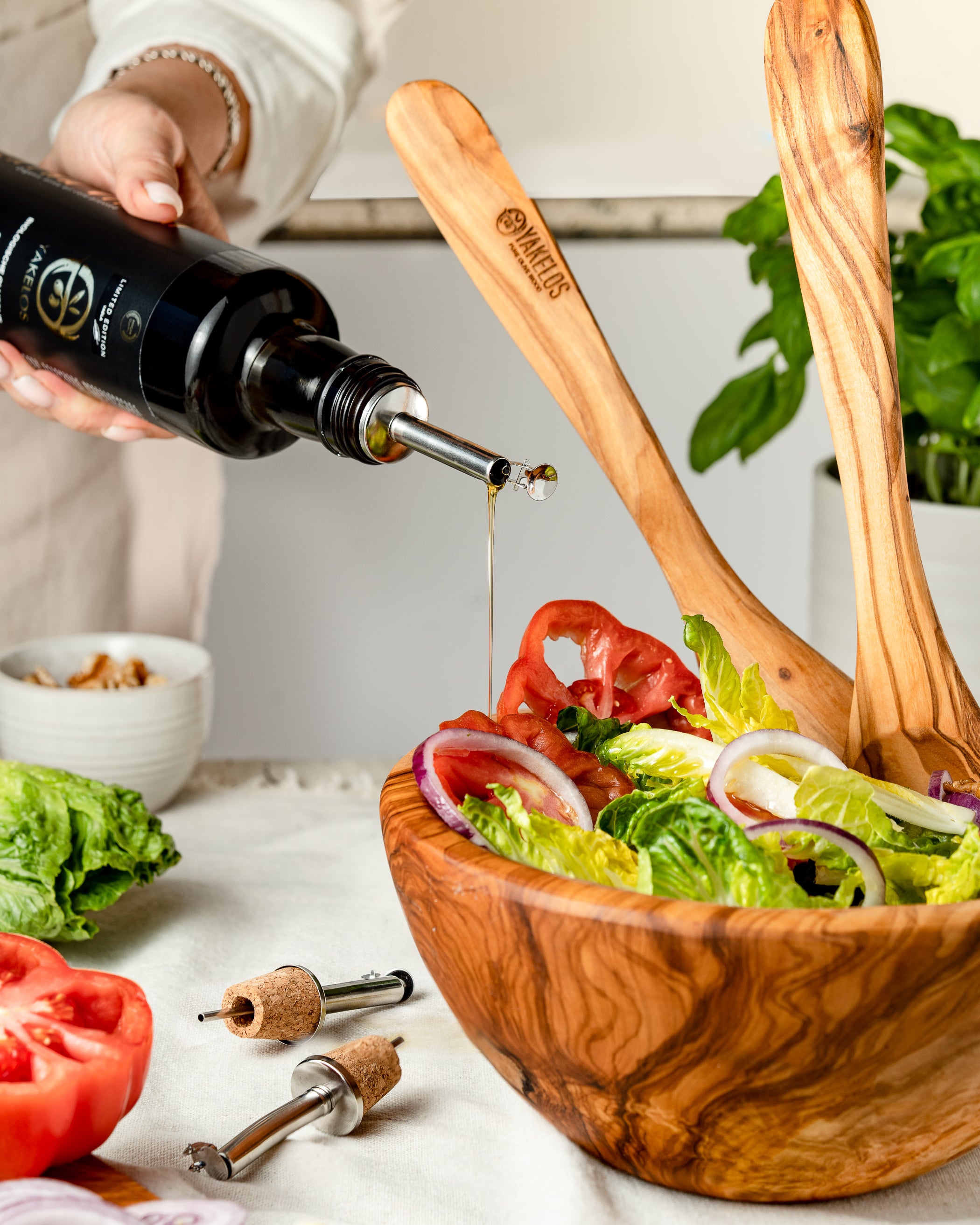
Picture a bottle standing next to the hob, and a generous glug going into the pan without much thought. Olive oil is 100 percent fat, so it delivers around 90 kcal per tablespoon, and pouring freely adds up quickly.
That is not a reason to avoid it. Health bodies suggest roughly three tablespoons a day for women and four to five for men, as part of total daily fat intake. The real disadvantage is not measuring, not the oil itself.
If weight is part of your reasoning for choosing olive oil, it helps to read more about olive oil and weight loss, where the calorie question sits next to the fuller picture.
Heating limits and the smoke point
Does heating olive oil turn it into something harmful? Extra virgin olive oil has a lower smoke point than refined oils, roughly 160 to 180 degrees. Beyond that, in deep frying or long wok cooking, polyphenols break down and unwanted compounds can form.
For everyday cooking on medium heat, that is not a concern. Research on heating olive oil confirms that normal use does not make it harmful.
Frying often at very high heat? A refined oil with a higher smoke point, as set out in sunflower oil versus olive oil, may suit better. Yakelos itself suits raw use and cooking up to roughly 170 to 180 degrees.
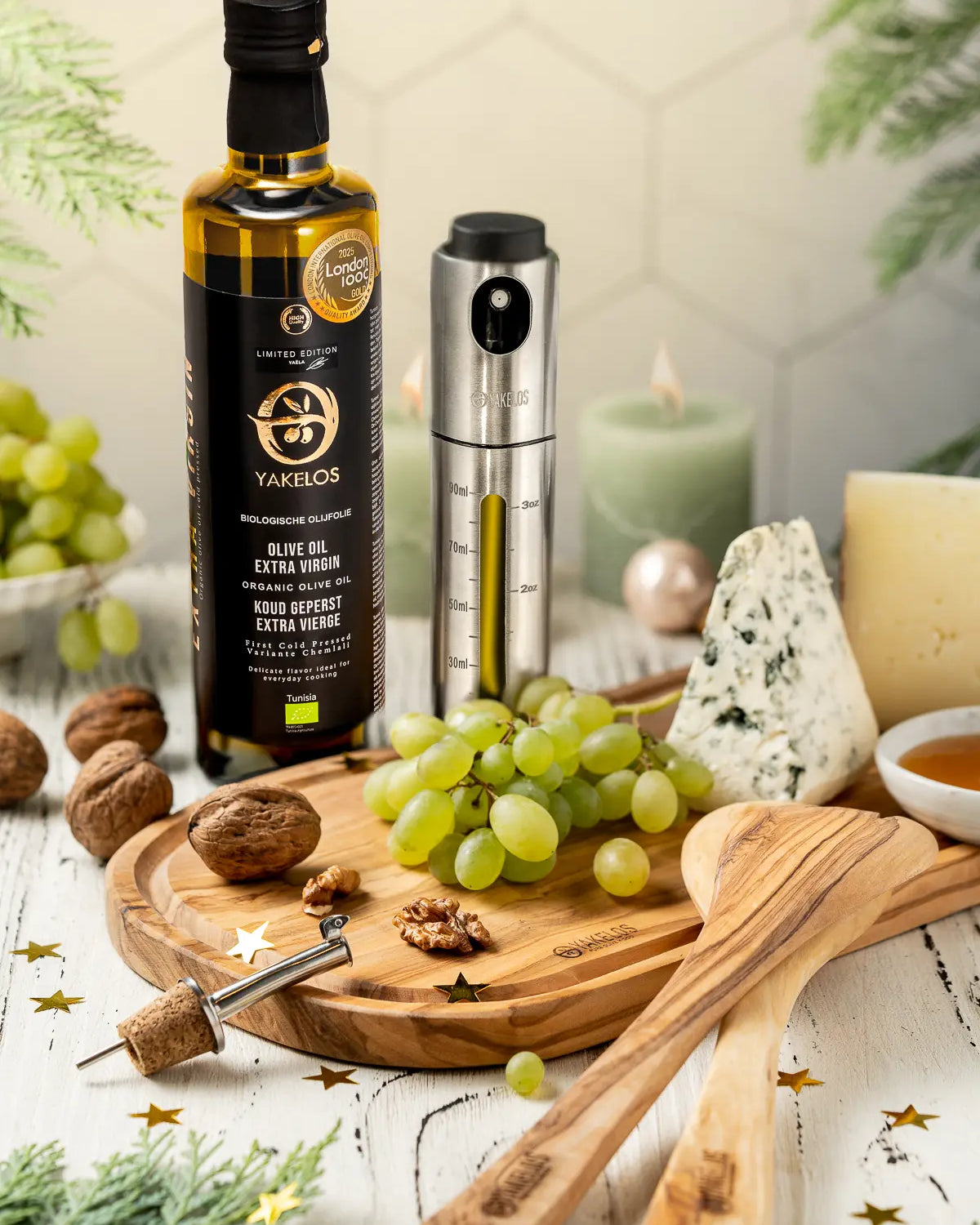
Tip from Yakelos: keep extra virgin below roughly 180 degrees and use it as a finishing oil, added after cooking, to protect its flavour and polyphenols.
Quality differences, oxidation and fraud
Not every bottle marked extra virgin lives up to the label. Cheap oil can be blended with refined oil, or already oxidised through poor storage in warehouses and shops. You then pay extra virgin prices for less flavour and fewer antioxidants.
Four checks help you avoid a disappointing bottle:
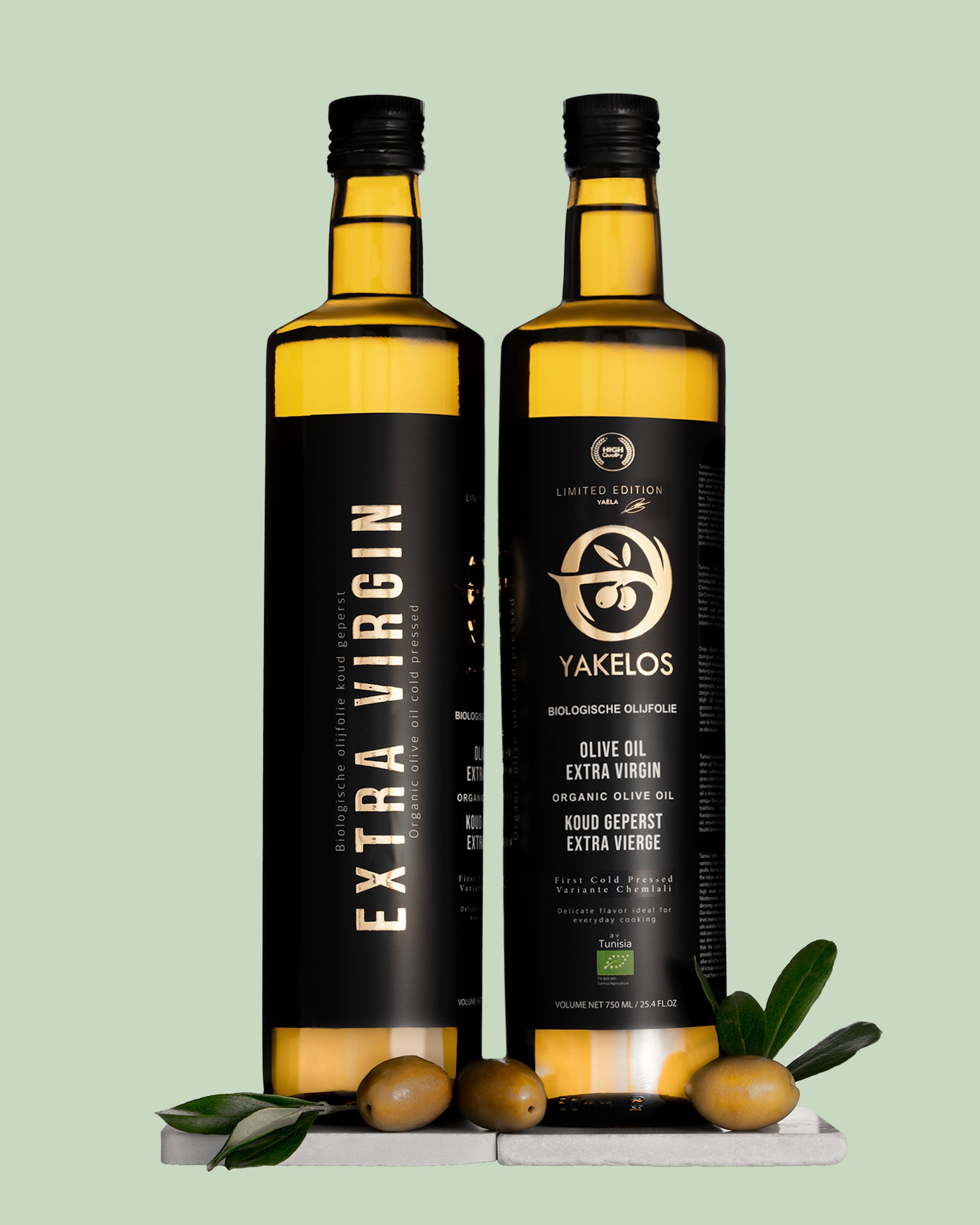
- Acidity stated below 0.8 percent, the legal ceiling for extra virgin
- EU organic or SKAL certification on the label
- A recent harvest date, not just a best before date
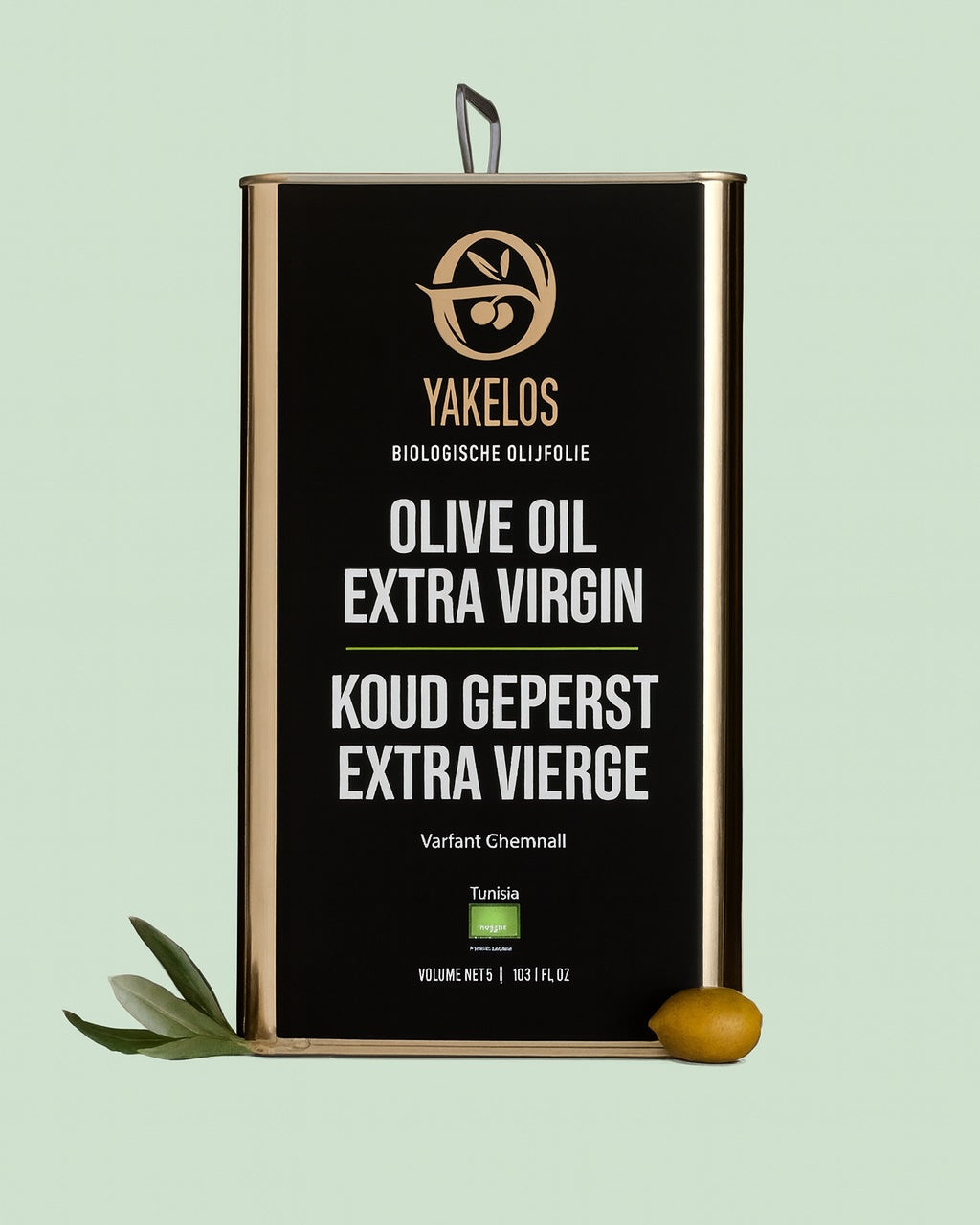
- Packaging in dark glass or tin, to block light
This is a drawback of the market, not of the oil itself. You can read more about how olive oil fraud happens and why it is more common than you might expect.
Storage matters more than you think
A bottle left open on a sunny windowsill for months is a common sight, and a common mistake. Light, heat and air all speed up oxidation, the process that turns oil rancid and dulls its flavour.
Keep the bottle in a cool, dark cupboard, away from the hob, and close the cap tightly after each use. Opened oil is best used within a few months rather than left standing for a year.
Which size will you actually get through in time?
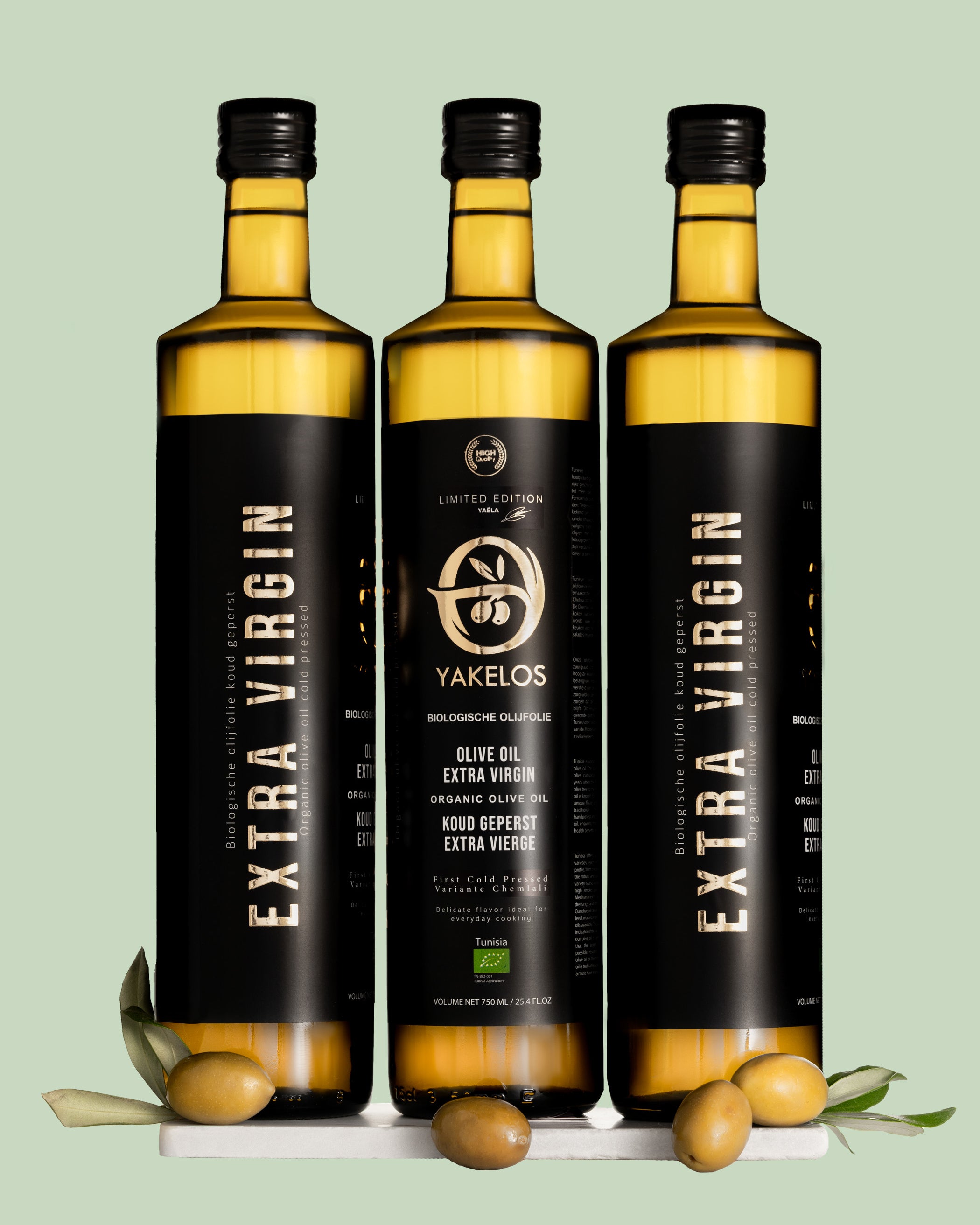
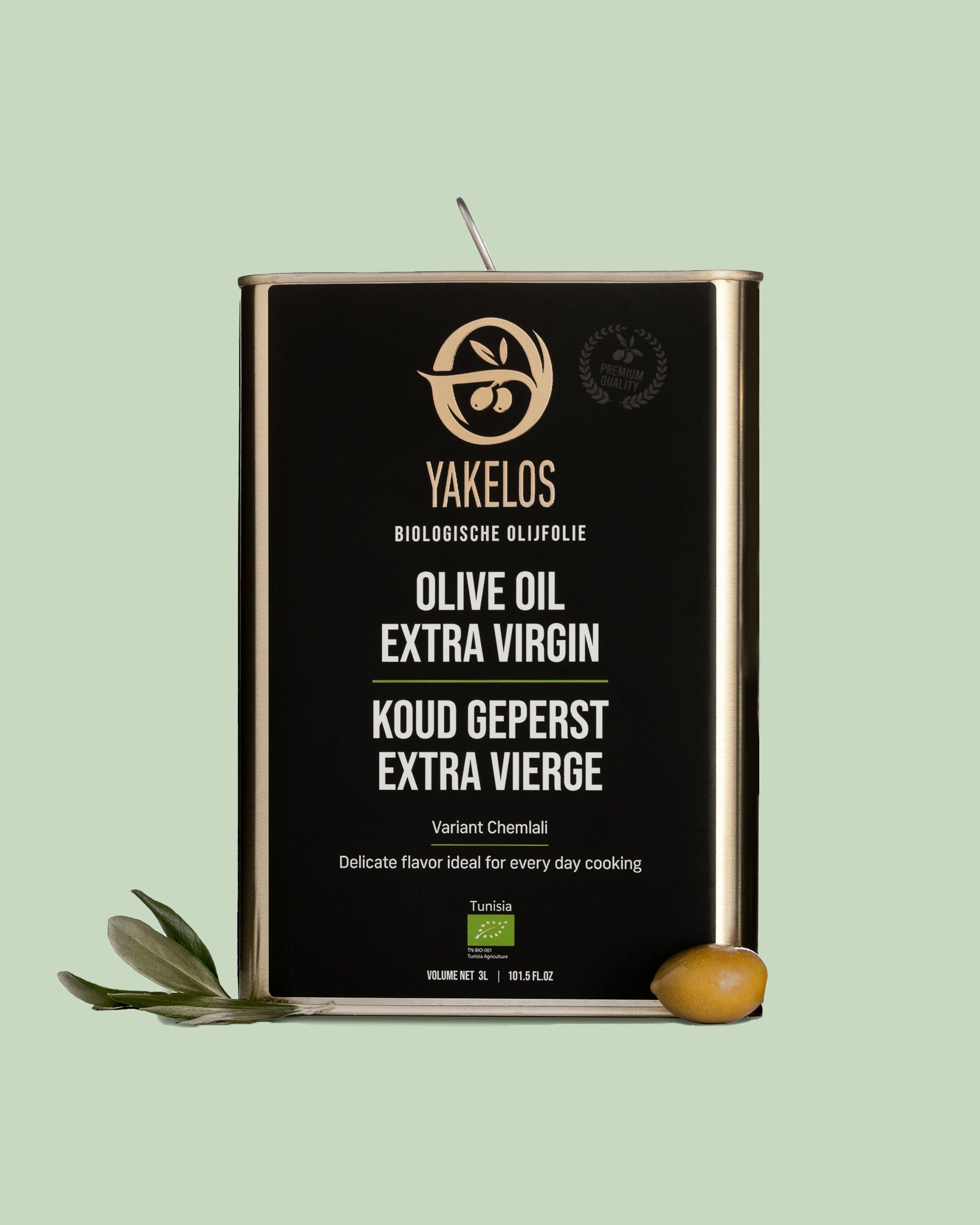
Buying more than you can use within a few months is how good oil turns dull before you finish it. Yakelos organic extra virgin olive oil comes as a 100 ml tasting pack, 750 ml singles and multipacks, and larger 3 and 5 litre options, so you can match the size to how quickly you cook through it. Have a look at the organic extra virgin olive oil in the shop.
Environmental and production impact
Large scale olive oil production is not without environmental cost. Intensive monoculture can wear down soil over time, put pressure on local water supplies and lean on pesticide use, as Voedingscentrum on olive oil sets out.
This is a drawback of how oil is produced, not something built into the oil itself. Choosing 100 percent organic olive oil avoids synthetic pesticides, and origins outside the most intensive mass markets, such as Tunisia, sit apart from the heaviest monoculture pressure. It will not remove the impact of farming entirely, but it does put some of the choice back in your hands.
Weighing it all up
Olive oil is not a wonder food, and it is not without drawbacks. The calories add up if you stop measuring, heat has a ceiling worth respecting, and cheap bottles can disappoint on quality. None of that cancels out what a genuine extra virgin oil, cold processed and correctly stored, offers.
Choose carefully, use it in proportion, and the drawbacks stay manageable.
Frequently asked questions about olive oil
Is it healthy to eat olive oil every day?
Yes, in moderation. Health bodies suggest roughly three tablespoons a day for women and four to five for men, as part of total daily fat. Measuring rather than pouring freely keeps calories in check.
Are there any interactions or risks with olive oil?
Olive oil may be associated with lower blood pressure, which is generally seen as positive, but if you take blood pressure medication it is worth monitoring your levels. Speak to your doctor if you are unsure how it fits with your medication.
When should you not use olive oil?
Avoid it for deep frying or other very high heat cooking, where its lower smoke point means it can start to break down. A refined oil with a higher smoke point suits those methods better.
Does olive oil become carcinogenic when heated?
Not at normal cooking temperatures. Only at extreme, prolonged high heat do polyphenols break down and unwanted compounds form, so staying within roughly 180 degrees keeps that risk away.
What should you look for when buying olive oil?
Check the label for extra virgin, an acidity below 0.8 percent, a named country of origin, a recent harvest date and organic certification. A very cheap bottle claiming extra virgin is worth a second look.
How long does olive oil keep?
Around two years unopened, and roughly six to twelve months after opening. Keep it cool, dark and tightly sealed to slow oxidation.
For more on daily use, storage and buying, have a look at the olive oil FAQs.

Inhoudsopgave