



You can hardly open a magazine or listen to a too-young influencer without hearing about the health benefits of the Mediterranean diet. It sometimes makes you wonder if the inhabitants of the Mediterranean region themselves realize how healthy their way of life actually is.

A necessity rather than a lifestyle choice
Perhaps we have an overly romanticized view of the Mediterranean diet. Originally, it wasn't a choice, but an absolute necessity. In the countries surrounding the Mediterranean Sea, summers can get intensely hot, resulting in low crop yields. You just had to make do with what you had. What we consider weeds here, might have been seen as a salad there during tough times.
As a result, the Mediterranean diet has origins that go back thousands of years. Well-known civilizations such as the Minoans, Phoenicians, and classical Greeks laid the groundwork for what we now know as the Mediterranean diet: a predominantly plant-based eating pattern, enriched with extra virgin olive oil, fish, and limited amounts of meat and wine.
The Minoans: The founders on Crete
The Minoan civilization (circa 7,000–2,000 BC), located on Crete, is often seen as one of the first cultures where this dietary pattern became visible. Archaeological research conclusively shows that their diet primarily consisted of:
-
Grains and legumes
-
Local fruit
-
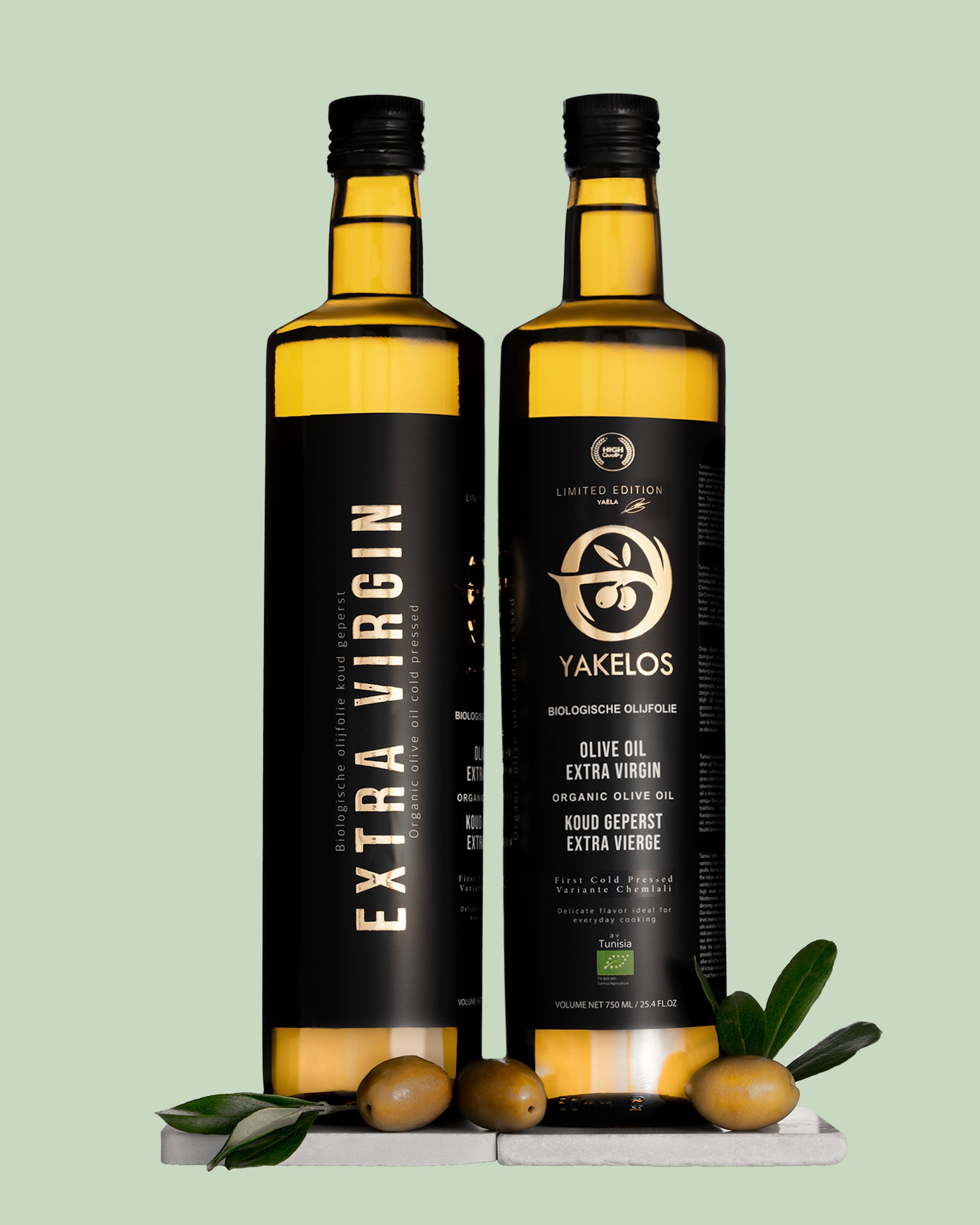
Olive oil
-
Fish and seafood as primary protein sources
Meat was consumed only sporadically. This emphasis on plant-based foods and healthy fats remains the core of the Mediterranean diet to this day.
The Phoenicians: Seafarers and distributors
Later, the Phoenicians (1,200–332 BC), known as skilled seafarers and merchants, played a crucial role in the distribution of food products and agricultural techniques. Through their extensive trade networks, they introduced new ingredients and promoted cultural exchange between different regions around the Mediterranean and even beyond.
They traded in tin that was imported all the way from the British Isles. It is no wonder that even there, (shards of) amphorae were found that once held olive oil. A dynamic and evolving dietary pattern emerged, in which local traditions were enriched by outside influences.
The Ancient Greeks: Food as a way of life and medicine
During the classical Greek period (479–323 BC), people were completely obsessed with food and health. The word 'diet' is derived from the Greek word dĭ́aita, which means "way of life." This reinforces the idea that in antiquity, food was not merely seen as fuel for your body, but as an integral part of a healthy lifestyle.
The famous physician Hippocrates (circa 460 BC) emphasized the importance of food for health with his well-known quote: "Let food be thy medicine and medicine be thy food." He was way ahead of his time. Plato, too, advocated for moderation in eating. He recommended a diet based on grains, legumes, fruit, fish, and dairy, and warned against the dangers of overconsumption, particularly of meat and wine.
An evolving pattern full of symbolism
The Mediterranean diet is not a static entity. Ingredients like citrus fruits, for example, were introduced much later via trade routes from Southeast Asia. This illustrates that it is a continuously evolving pattern that adapts to new influences.
Religion was also a major factor in the development of dietary habits. In the ancient Middle East and the Mediterranean region, food and rituals played a central role in religious practices:
-
Olive oil: Was used not only as a food source but also in rituals for anointing kings and priests. The feet of the Messiah, for instance, were anointed with olive oil.
-
Grains and bread: Formed the foundation of daily life and held an important place in ceremonies.
-
Fruits: Figs and grapes symbolized fertility and abundance.
This symbolism strengthened the cultural value of food and contributed to the enduring role of these products in the Mediterranean diet.

Modern science and a timeless conclusion
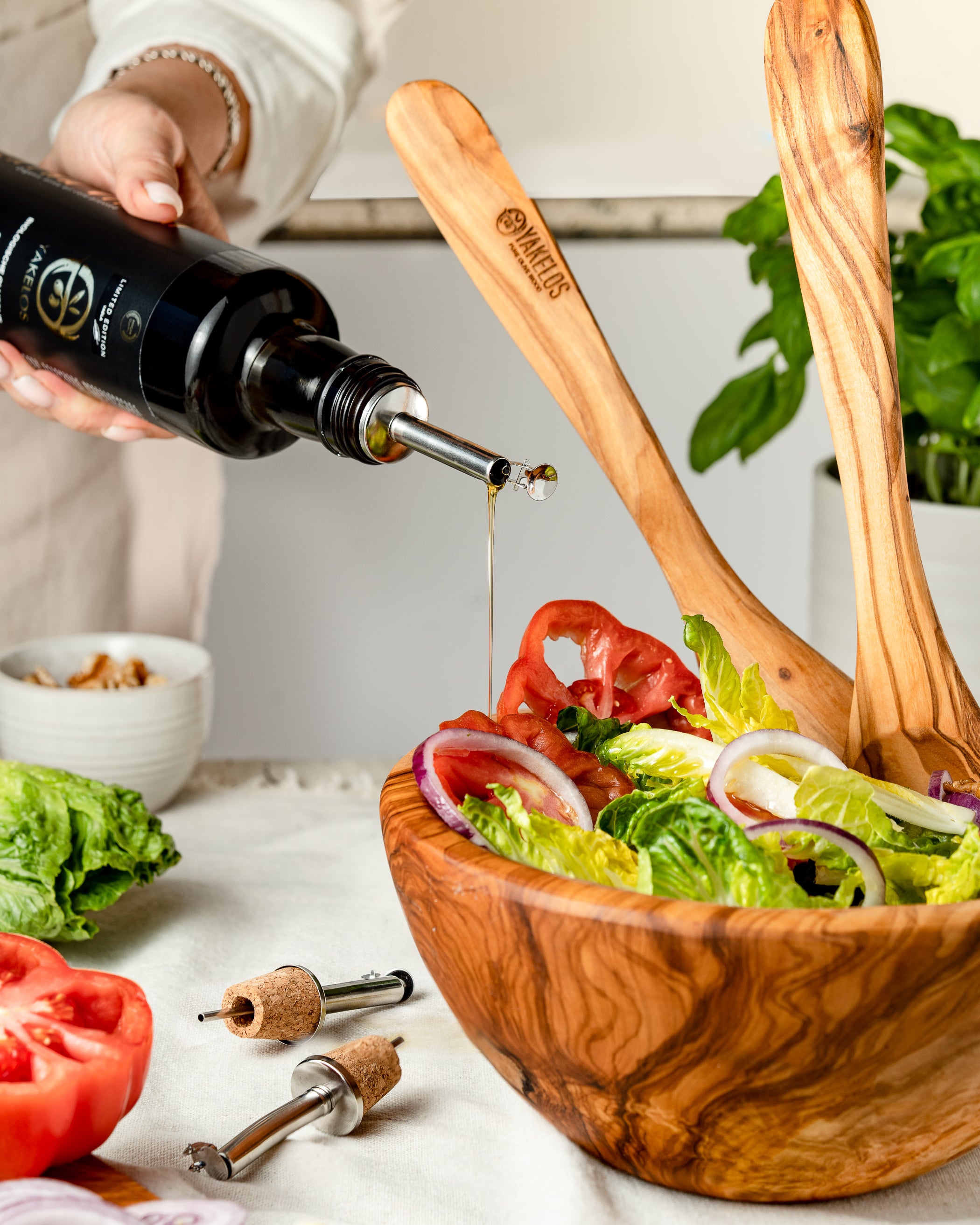
Although many of these foods were consumed thousands of years ago, modern research has continually confirmed their health benefits. Extra virgin olive oil is now globally renowned for its antioxidant and anti-inflammatory properties, while whole grains, fruits, and legumes are rich in fiber, vitamins, and minerals.
The Mediterranean diet was therefore not a conscious choice, but partly a reflection of a broader way of life. There was an interplay between trade, philosophy, and religion. As a result, this diet developed organically and continues to prove its unprecedented value today. Fortunately, we don't need influencers for that.