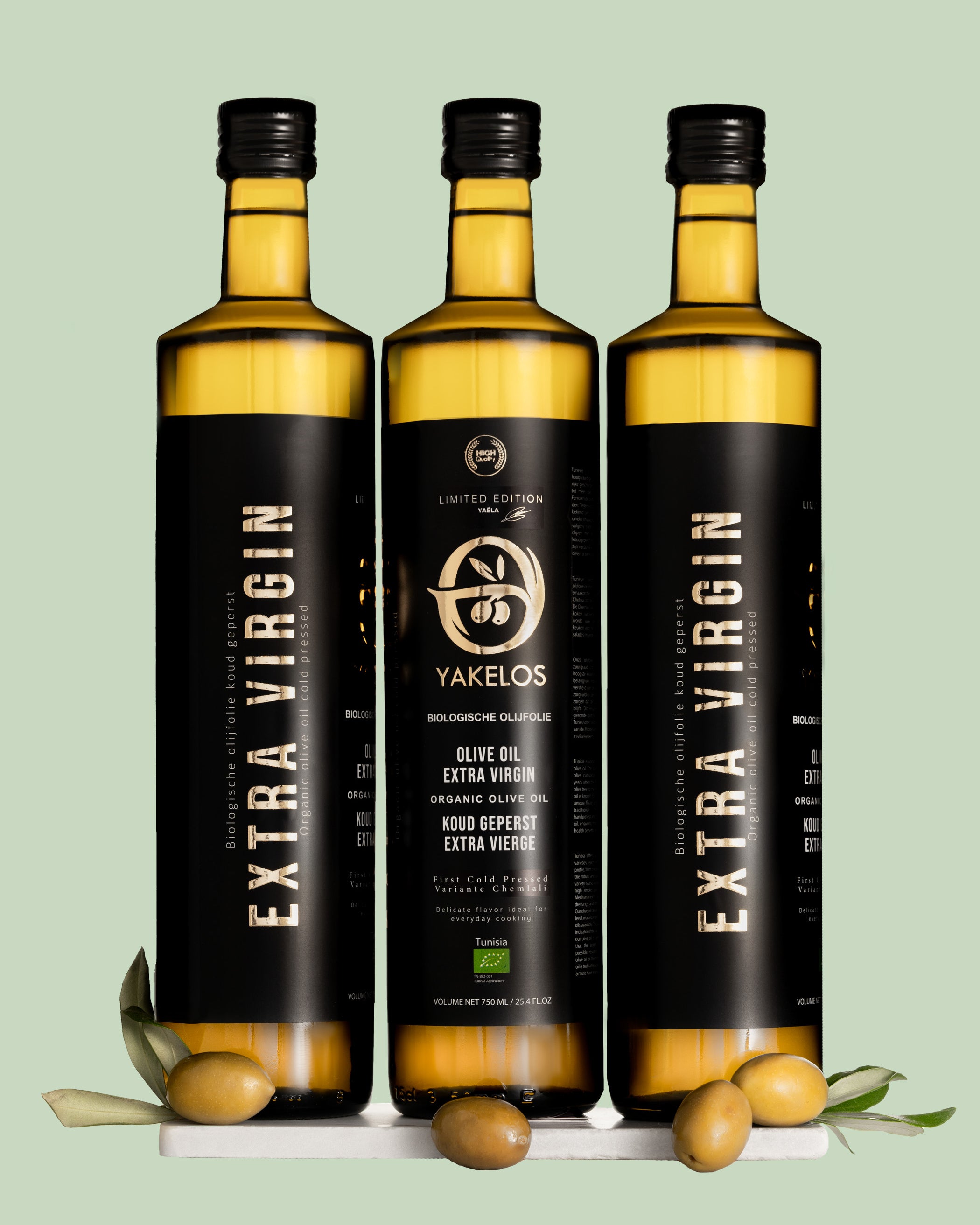
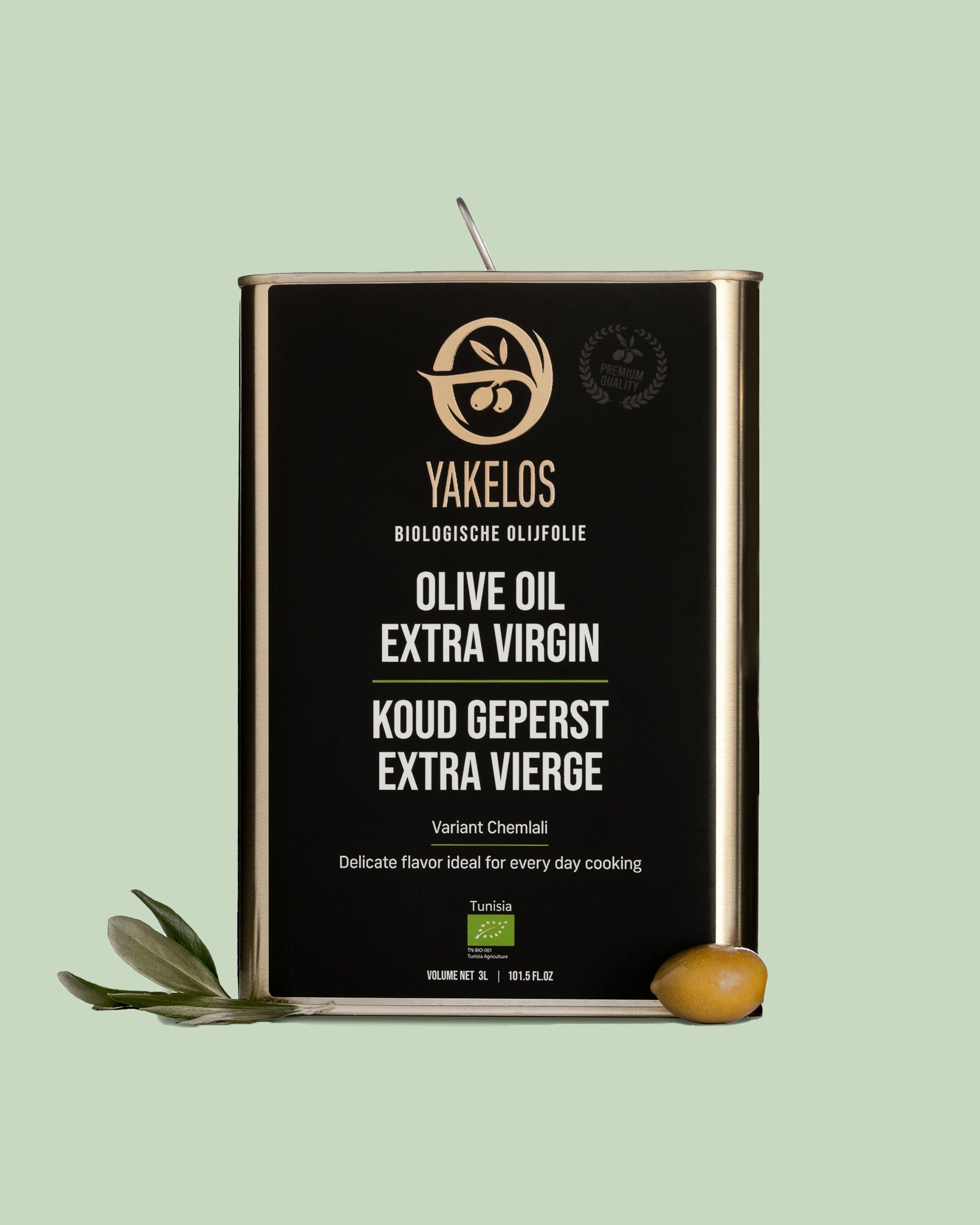



The Mediterranean diet is known as one of the healthiest eating patterns worldwide, and extra virgin olive oil is an essential part of it.
But what does science really say about the health benefits of olive oil? Recent research shows that higher consumption of extra virgin olive oil is linked to a lower risk of overall mortality, cancer, and cardiovascular disease.
Why This Study?
For years, consuming extra virgin olive oil has been associated with a lower risk of death, especially from cardiovascular disease.
Uncertainties remain:
- Does this also apply to cancer?
- Which biological mechanisms explain the link between olive oil and lower mortality risk?
The Study: The Moli-sani Study
Researchers used data from the Moli-sani Study, a large Italian cohort of 22,892 participants.
Key details:
- Follow-up duration: average of 13.1 years
- Dietary assessment: self-administered food frequency questionnaires
- Standard olive oil portion: 10 grams (approximately 1 tablespoon)
Additionally, various biomarkers were measured, including lipids, glucose metabolism, inflammation, and kidney function, to investigate potential biological mechanisms.
Results: More Olive Oil, Lower Risk
Key findings:
High vs. low consumption:
- More than 3 tablespoons per day vs. less than 1.5 tablespoons
- Total mortality: -20%
- Cancer mortality: -23%
- Cardiovascular mortality: -25%
Effect per additional tablespoon per day:
Improvements in biomarkers such as:
- Cystatin C (kidney function)
- Blood glucose
- Total cholesterol & triglycerides
- ApoA (HDL component)
- CRP (C-reactive protein, inflammation marker)
- Granulocyte/lymphocyte ratio (inflammation)
- Blood pressure & heart rate
- Serum vitamin D
Biomarker explanation:
These factors explained 21.2% of the association between olive oil and total mortality, and 13.7% for cancer mortality.
What Does This Mean?
The study shows that higher consumption of extra virgin olive oil may contribute to:
- Lower overall mortality
- Lower cancer mortality
- Lower cardiovascular mortality
Interestingly, known risk factors for chronic disease only partially explain these effects, suggesting that other, still unknown biological processes may play a role.
Other Research and Considerations
Previous studies have shown that two tablespoons of extra virgin olive oil per day can already benefit heart health[2].
However, it is important to stay critical: not all studies are of the same quality[3].
Our Recommendation
Aim to consume around two tablespoons of extra virgin olive oil per day as part of a healthy Mediterranean diet.
This can support a lower mortality risk and improved cardiovascular health.
References
-
Ruggiero et al: Olive oil consumption is associated with lower cancer, cardiovascular and all-cause mortality among Italian adults: prospective results from the Moli-sani Study and analysis of potential biological mechanisms, European Journal of Clinical Nutrition – 2024
-
Covas et al: EUROLIVE Study group. The effect of polyphenols in olive oil on heart disease risk factors: a randomized trial, Annals of Internal Medicine – 2006
-
Zou et al: Cardiovascular, Metabolic and Endocrine, Cancer, Mortality, Dermal, and Other Outcomes of Olive Oil and Oleic Acid: An Umbrella Review, eCollection – 2025