

Refined olive oil is commonly found in supermarkets and professional kitchens. Still, it is not always clear what this oil actually is and how to use it best. Here you’ll discover the differences, applications, and considerations, so you can consciously choose what fits your kitchen.
Discover our extra virgin olive oil
What Is Refined Olive Oil?
Refined olive oil is olive oil that has been industrially processed to neutralize aroma, flavor, and color. The base consists of lower-quality olive oil, for example oil with sensory defects caused by overripe olives, oxidation, or careless processing.
Through refining, a stable, clear oil with a neutral taste is created. This makes refined olive oil functional in the kitchen, while the natural character of the olive is largely lost.
How Is Olive Oil Refined?
The refining process consists of several steps that together create a neutral end product:
Deacidification
Free fatty acids are removed, which lowers the acidity and makes the oil less sharp.
Deodorization
Using steam, unwanted odors and flavors are removed. This makes the oil almost tasteless.
Decolorization
Natural color pigments are filtered out, giving the oil a light and clear appearance.
This process is applied because the original oil does not meet the quality criteria for extra virgin olive oil, but can still be made suitable for consumption.
Difference Between Refined and Extra Virgin Olive Oil
The difference between refined and extra virgin olive oil mainly lies in origin, processing, and experience:
- Production method: refined olive oil is industrially processed, while extra virgin olive oil is cold-pressed.
- Flavor and aroma: refined olive oil is neutral; extra virgin olive oil has a rich, fruity, and vibrant flavor profile.
- Nutrients: polyphenols are lost during refining; extra virgin olive oil retains these natural antioxidants.
- Acidity: in refined olive oil, acidity is technically reduced; in extra virgin olive oil, it is naturally low.
- Price: refined olive oil is generally cheaper than premium extra virgin olive oil.
Is Refined Olive Oil Healthy?
Due to the refining process, the oil loses a large part of its polyphenols and antioxidants. What remains are mainly monounsaturated fats, which fit within a balanced diet.
Refined olive oil is therefore not an unhealthy choice, but it offers less nutritional value than extra virgin olive oil, which is known for its natural health benefits.
What Do You Use Refined Olive Oil For?
Thanks to its higher smoke point, refined olive oil is suitable for:
- Frying and sautéing at higher temperatures
- Deep-frying
- Neutral preparations where you want other ingredients to stand out
It is a practical oil for technique-focused cooking moments, without influencing the final aroma.
When Is Extra Virgin Olive Oil the Better Choice?
Extra virgin olive oil truly shines in:
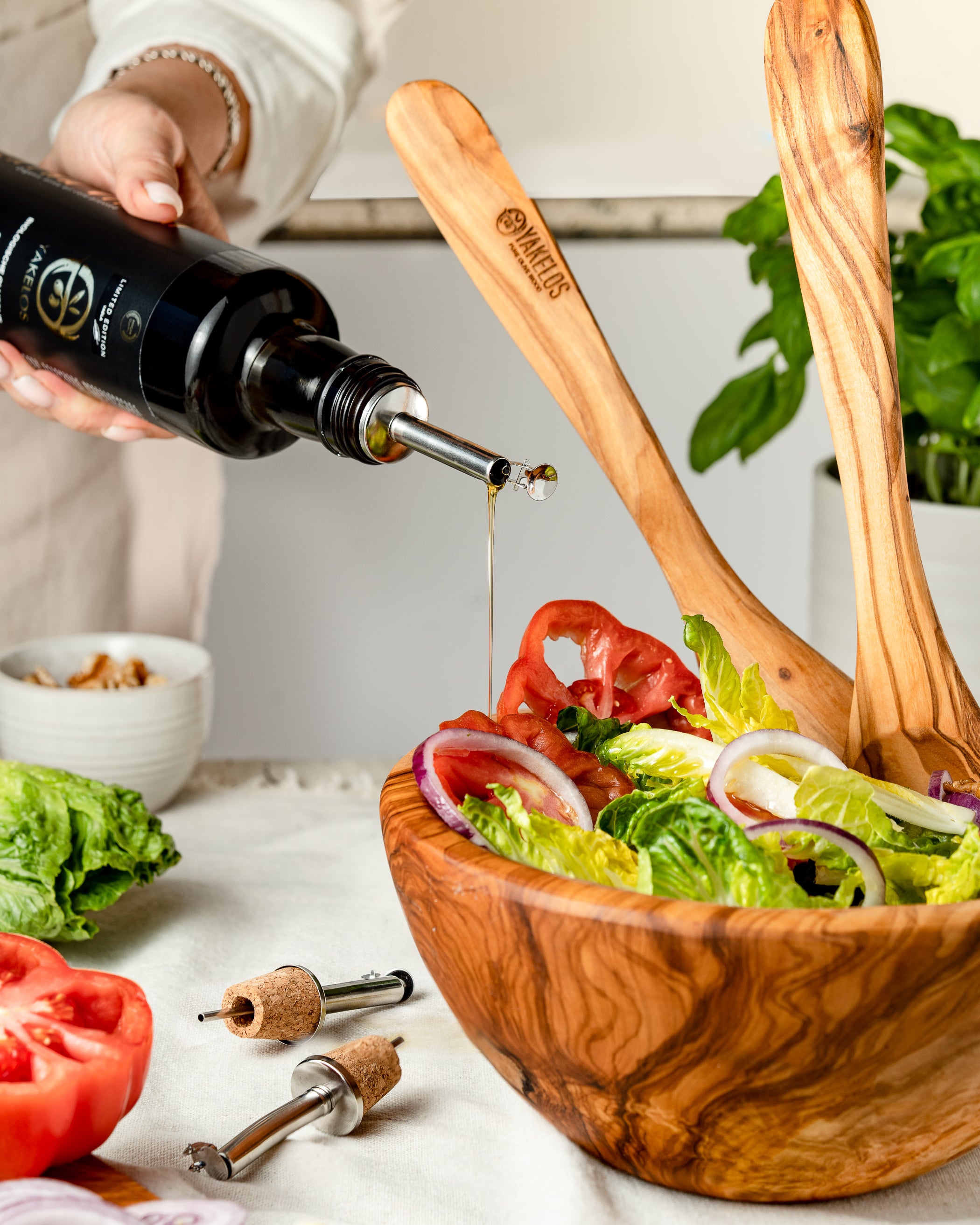
- Salads and dressings
- Cold preparations
- Finishing dishes
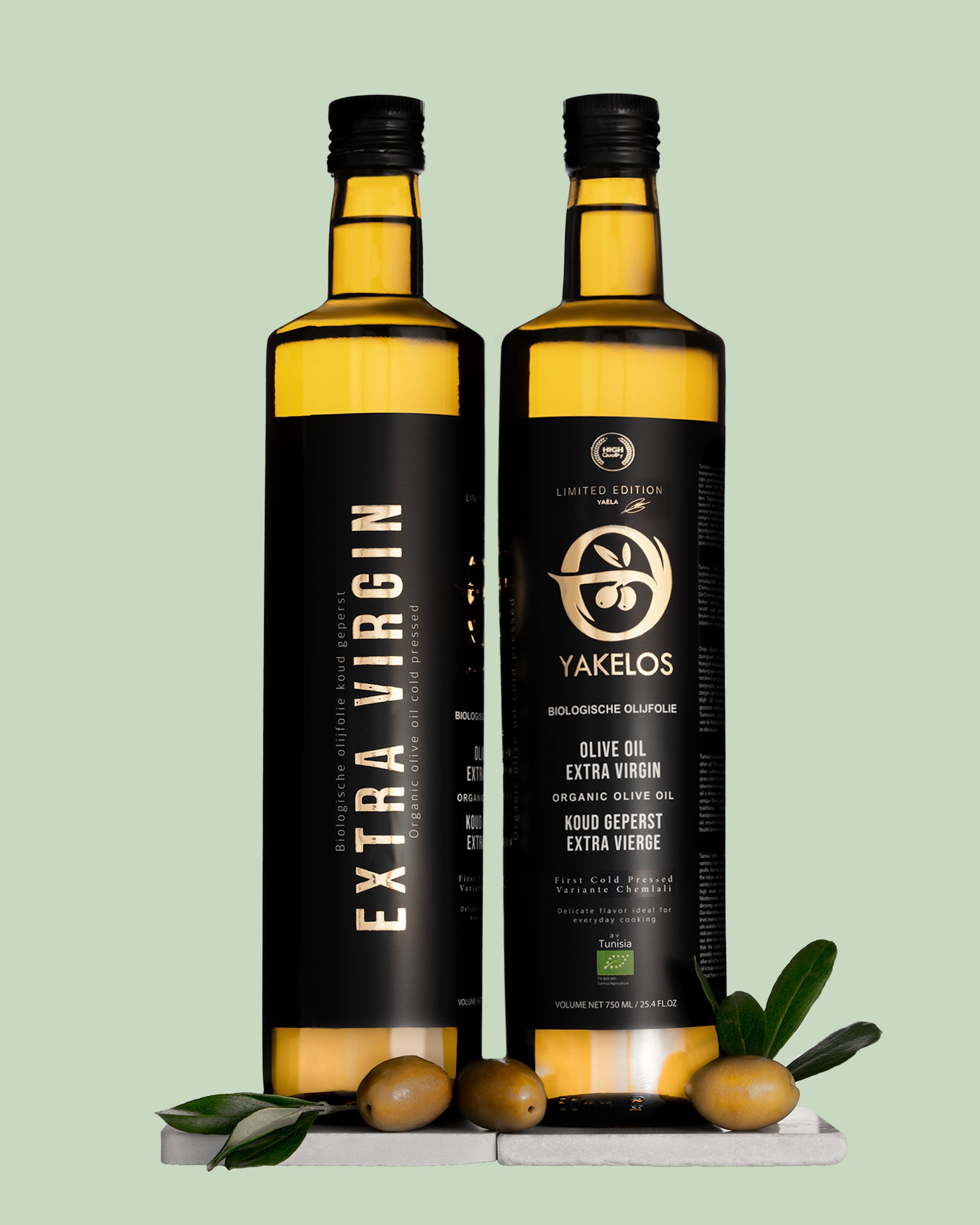
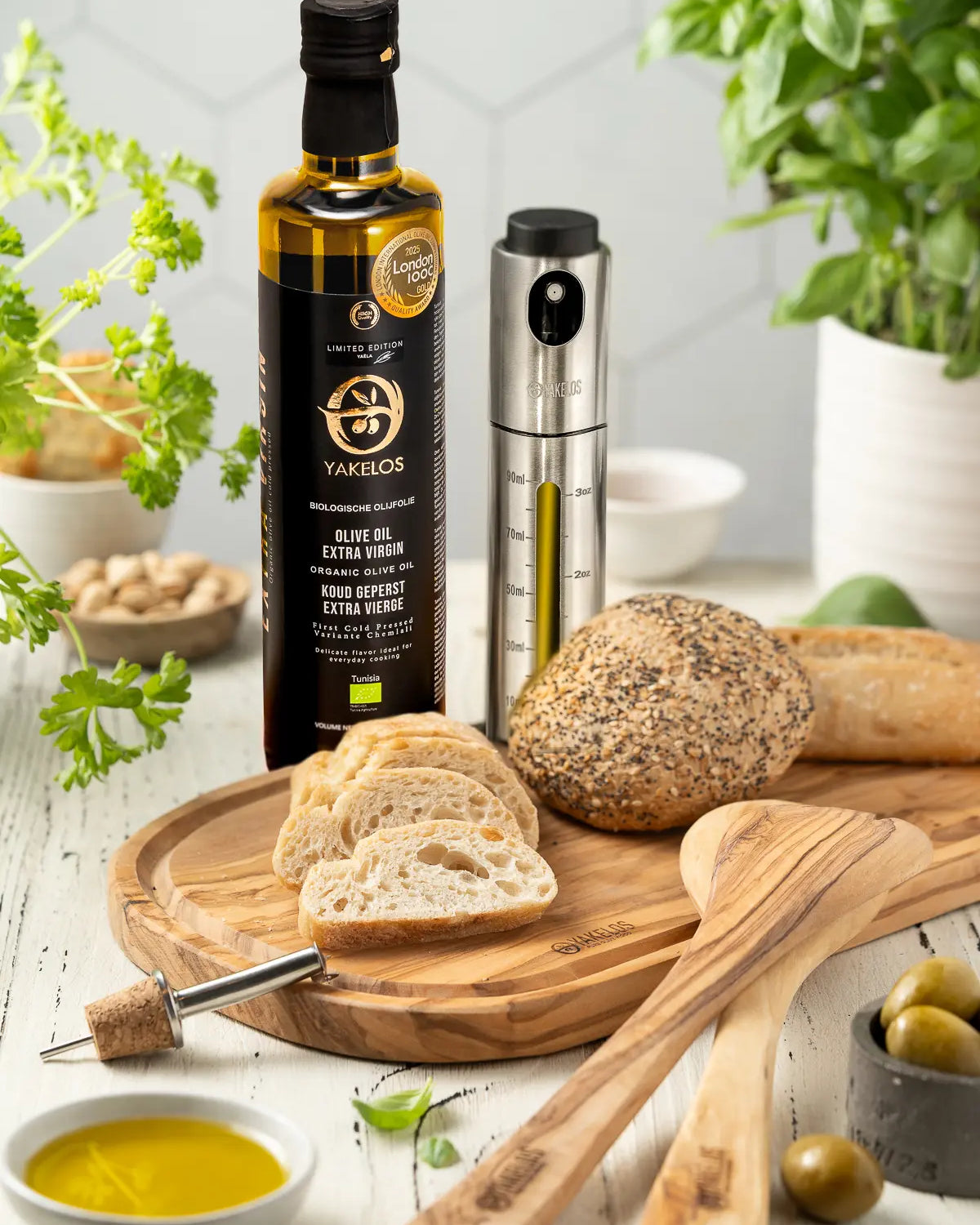
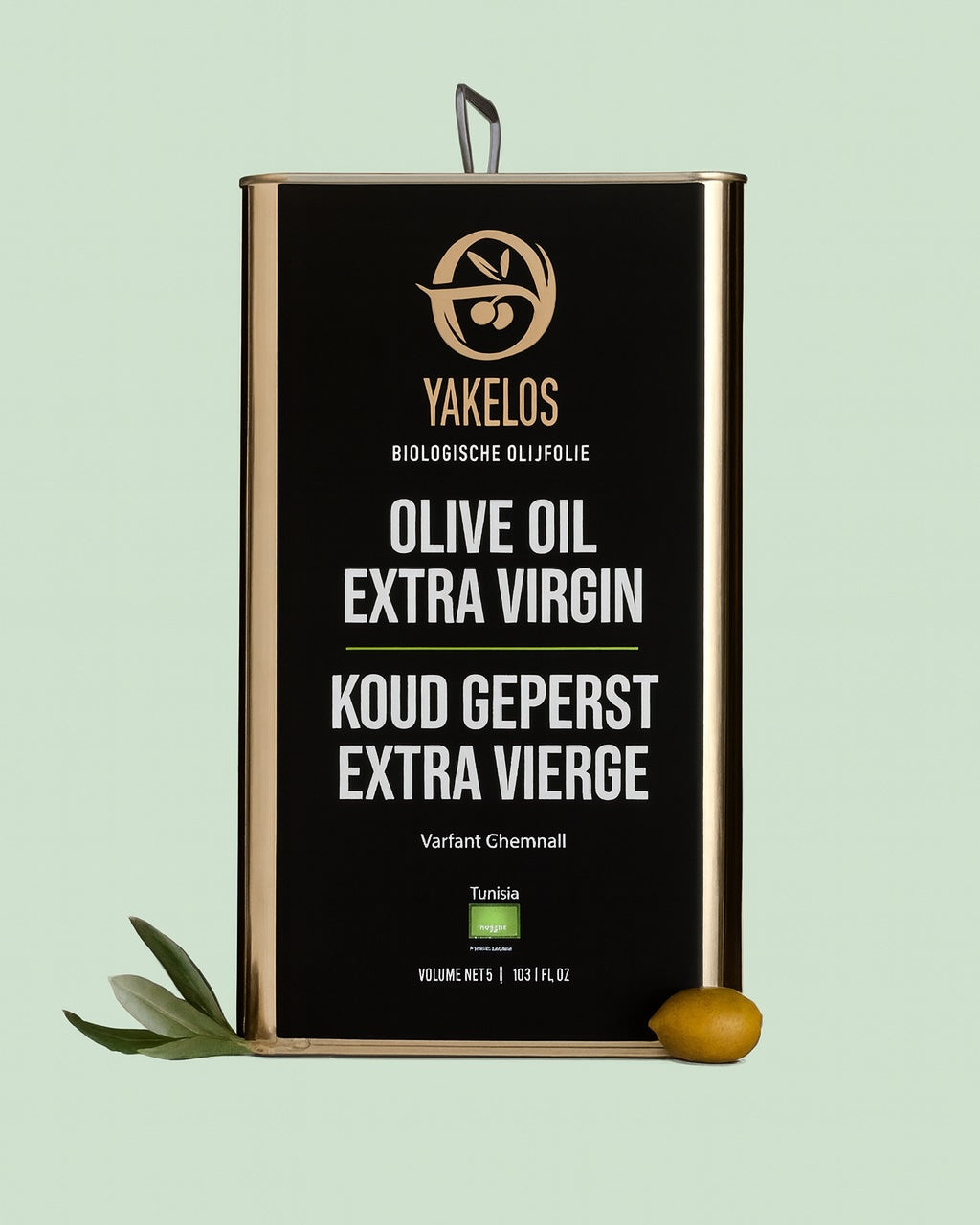
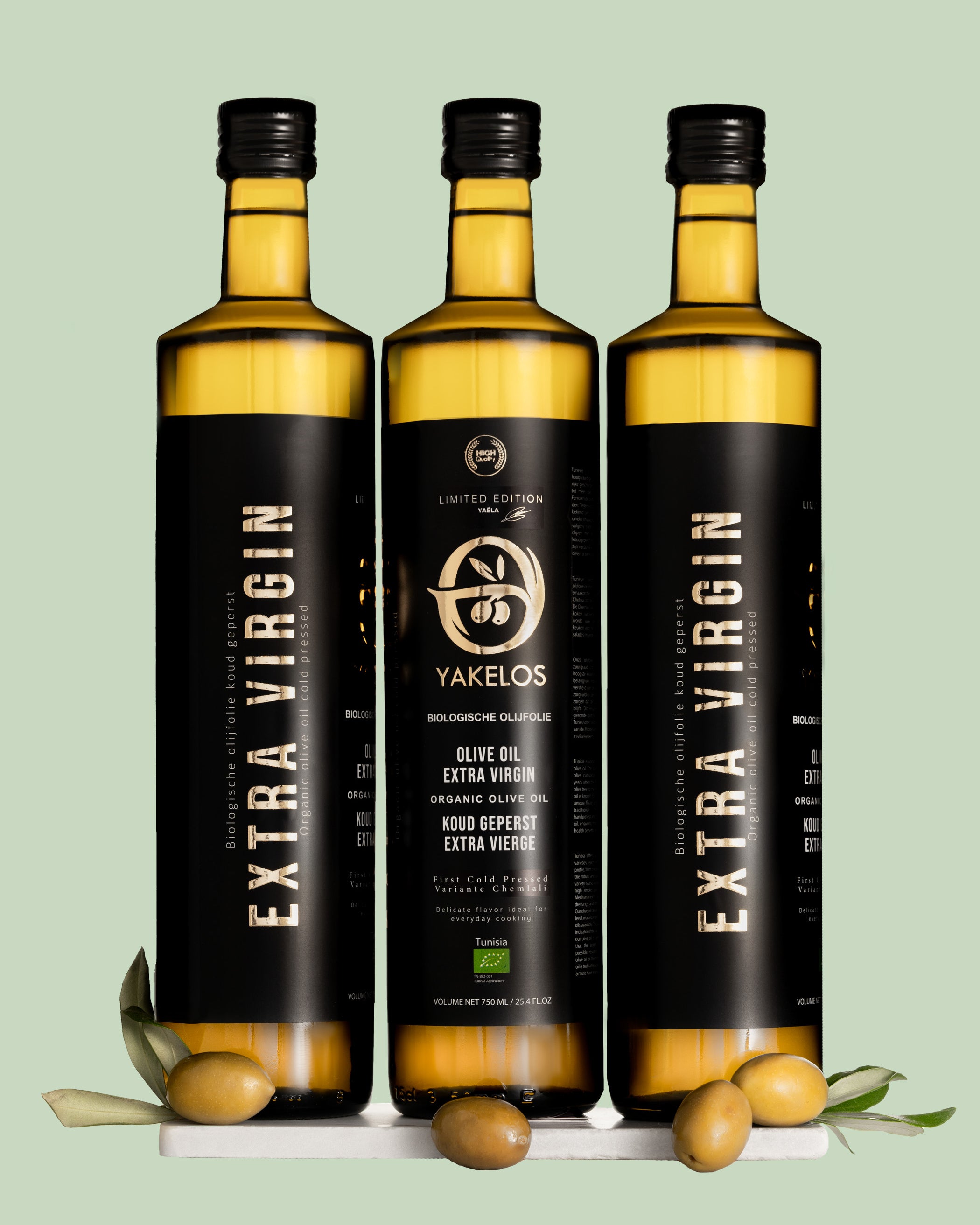
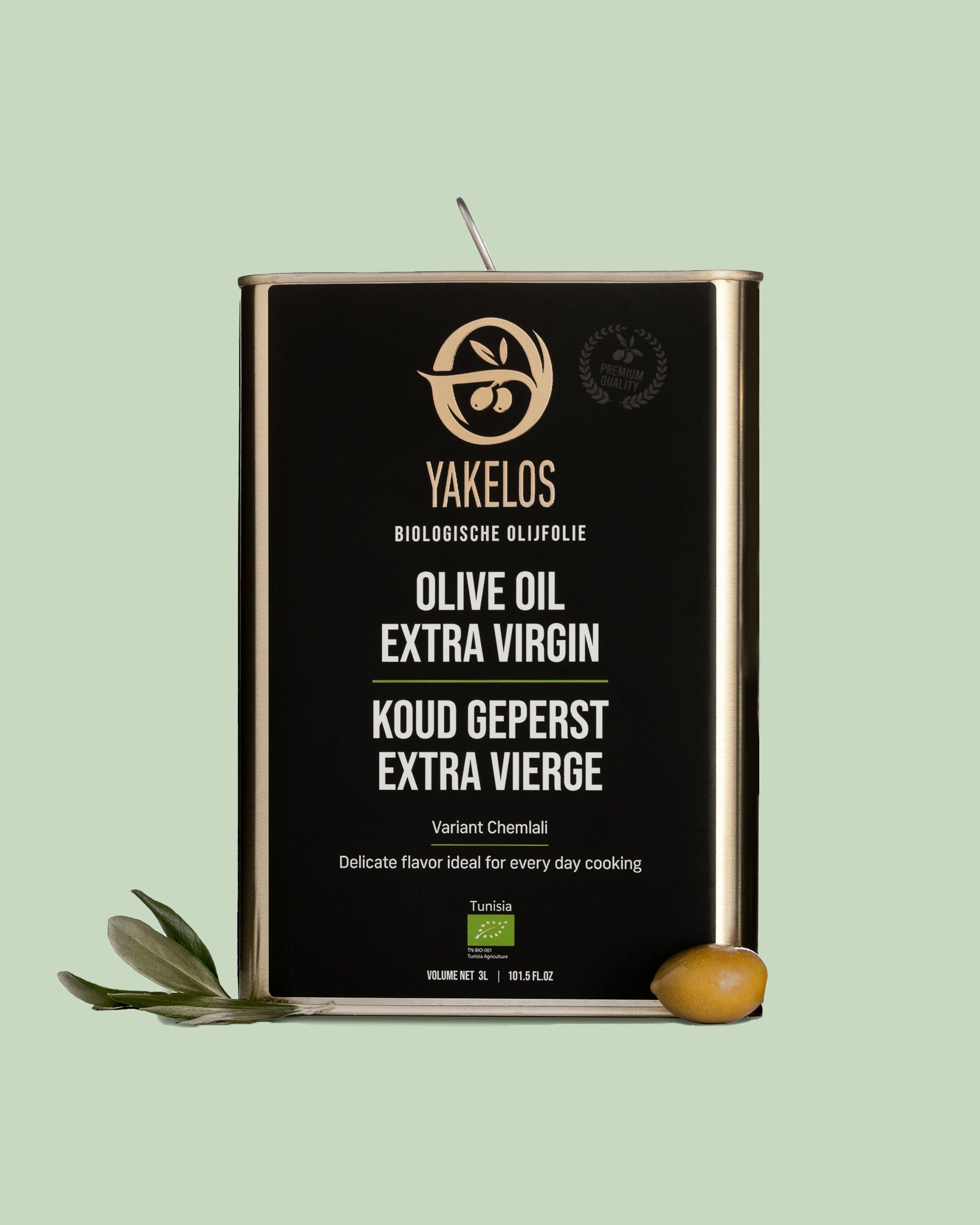
The extra virgin olive oil from Yakelos is versatile in this regard. Thanks to cold pressing and low acidity, you can use this oil for both cooking and cold applications, while the rich aroma remains intact.
Summary: Refined Olive Oil or Not?
Refined olive oil is practical, neutral, and functional for specific cooking purposes. At the same time, this oil contains less flavor and fewer nutrients than extra virgin olive oil. If you are looking for purity, character, and a rich taste experience, you consciously choose quality.
Try Olive Oil Free for 30 Days
At Yakelos, we believe in transparency, flavor, and quality. That’s why you can taste our organic extra virgin olive oil for 30 days without risk<.